For many travelers, especially those from Latin America or the West, the idea of traveling solo across the globe to Southeast Asia raises an inevitable question: Is Thailand safe for tourists? Accustomed to being on constant alert in our own cities, landing in a megacity like Bangkok requires us to adjust our perception of what a city is like.
There’s no doubt that physical violence against foreigners is statistically minimal, but the environment presents challenges very different from what we’re used to. That’s why we want to show you the true security dynamics of the country here. We’ll talk about the sense of safety you feel on the streets, but we’ll also look at some pitfalls that could affect your budget and your overall travel experience.
Are you looking for more information on what you can and cannot do while visiting Thailand? We invite you to read this article, which lists 10 common practices you should keep in mind.
Why Is Thailand Safer Than We Think?
It’s normal to feel apprehensive about the unknown, but global data strongly supports the sense of safety felt in the country. According to the 2025 Global Peace Index, Thailand maintains consistent safety levels that exceed those of many other destinations. In the study, the country received a score of 2,017, placing it on par with Cambodia (2,019) and Mexico (2,636).
In addition, quality-of-life analysis platforms such as Numbeo show exceptionally high safety scores in the country’s major cities; for example, Chiang Mai scores 77.9 out of 100 on its safety index, while the capital, Bangkok, scores 61.8. Even the U.S. Department of State classifies the country as a Level 1 travel advisory, indicating that tourists need only take normal precautions.
Safety in Thailand is primarily attributed to Buddhist culture and practices. Approximately 92.5% of the population practices Theravada Buddhism, a philosophy of life that emphasizes good karma, mutual respect, and community harmony.
Added to this is the Thai sociological principle known as “Kreng Jai,” which translates as a deep consideration for the feelings of others and an extreme reluctance to cause inconvenience, impose burdens, or offend others. This cultural combination rejects open confrontation and creates an inherently peaceful public environment.
A Woman Traveler's Experience in Thailand
Although this sense of security benefits any traveler, for many women who travel the world on their own, it has a special meaning. In many destinations, walking alone means being constantly on guard: avoiding certain streets, ignoring uncomfortable comments, or carefully assessing every situation. In Thailand, the experience is often perceived differently.
The local culture, characterized by respect and concepts such as kreng jai, helps ensure that verbal harassment in public spaces is rare. Whether strolling through a night market, riding local public transportation, or walking through a city at dusk, many female travelers highlight the sense of peace they feel when getting around on their own.
Of course, it's always important to travel with common sense and take the usual precautions. However, for many women, Thailand offers something valuable: the opportunity to explore with more freedom, more confidence, and fewer worries.
The Sophistication of Tourist Scams
If physical safety is rarely at risk, where does the danger lie? The answer lies almost exclusively in travelers’ wallets. The country’s massive tourism industry has given rise to scams that, while not dangerous, undermine travelers’ confidence.
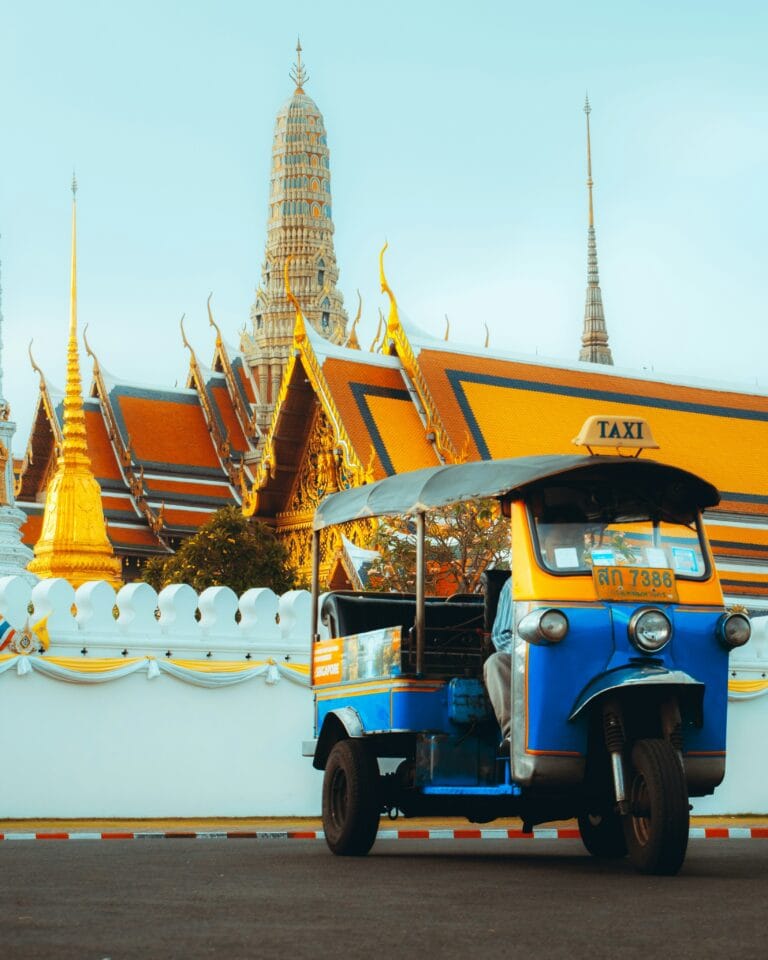
One of the most classic scams is the “Grand Closed Palace” or “Closed Temple” scam. Extremely friendly individuals will approach tourists near major attractions and falsely claim that the site is closed due to a religious ceremony or a sudden royal holiday. Their sole objective is to redirect the traveler to a tuk-tuk driver, who will offer an alternative tour that ends at jewelry stores or tailor shops where the driver receives commissions.
Similarly, purchasing tours on the street from unverified operators and using informal transportation are common avenues for fraud. It is common for tuk-tuk and taxi drivers to refuse to turn on the meter and to charge high fares. These situations undermine visitors’ trust, making them feel cheated, even though their personal safety remains intact.
Defensive Strategies for the Smart Traveler
Rather than worrying about safety, a big part of the experience of traveling in Thailand is learning to get around with confidence, taking advantage of the tools available, and understanding how the destination works. Here are some recommendations that can help you enjoy your trip more comfortably and easily:
- The “digital transportation” revolution: The best way to avoid overpricing scams in transportation and overcome the language barrier is to use ride-hailing apps like Grab. These platforms guarantee transparent, algorithm-based fares and GPS route tracking, and completely eliminate the need to haggle on the street.
- Protection at your fingertips: The government takes visitor safety very seriously. We highly recommend downloading the official app “Thailand Tourist Police” app, which allows you to chat live with officers, track your location via GPS, and features an SOS button directly connected to the toll-free emergency hotline 1155, which operates 24 hours a day and offers assistance in multiple languages.
- A Friendly Caution: Never accept unsolicited advice from strangers on the street about attraction closures; always check the official schedules online before starting your tour.
In conclusion
So, the answer is unequivocal: Thailand is an immensely safe country. Traveling to this destination allows you to let go of the urban hypervigilance that many of us are subjected to in our home countries and embrace genuine freedom of movement. Knowing that the “dangers” are limited almost exclusively to minor price scams, solo travelers can get around with complete peace of mind.
Thailand not only protects its visitors, but also teaches them a new way of experiencing the world, based on mutual respect, harmony, and hospitality.
At Viajera en Tailandia, our top priority is to connect our community with authentic and completely safe experiences. We know that traveling the world, whether alone or with others is an exciting challenge, which is why we work to provide you with the tools and up-to-date information you need to ensure your trip to Thailand is worry-free.
Explore our resources and let us help you plan your trip with complete confidence.
Key Points of This Blog
1
Guaranteed physical security
Rates of violent crime against tourists are virtually nonexistent, a fact supported by the Global Peace Index and platforms such as Numbeo.
2
A Culture of Respect
Buddhist philosophy and the social concept of “Kreng Jai” ensure a peaceful public environment based on harmony and the rejection of confrontation.
3
Freedom for Women
Thailand stands out as an exceptionally safe destination for solo female travelers thanks to the notable absence of street harassment.
4
Watch out for scams
The real risks aren't physical; rather, they're scams involving overcharging, such as tuk-tuks without meters or the "closed attractions" scam.