
Chiang Mai
Descubre la esencia de esta ciudad del norte de Tailandia con esta guía
Conoce Chiang Mai: Información para tu viaje
In northern Thailand, surrounded by mountains and steeped in a history that still lives on in its temples, Chiang Mai is a place where time doesn't stand still, but it does slow down.
Here, life unfolds closer to the earth. The markets come to life with the first sounds of the day, kitchens come alive with the gentle crackle of simmering fires, and the hands—whether they’re planting, cooking, weaving, or serving—have a more intimate connection with what they do.
Chiang Mai isn't just a place to visit; it's a place to live.
It's a destination that invites you to slow down, observe more closely, and realize that traveling can also be a way of listening.
Recommended experiences in Chiang Mai
Conoce Chiang Mai de una manera diferente. Estas experiencias han sido seleccionadas por Viajera en Tailandia para acercarte a personas, proyectos, sabores, conocimientos y lugares que hacen especial al destino.


Elephant's Habitat Visit
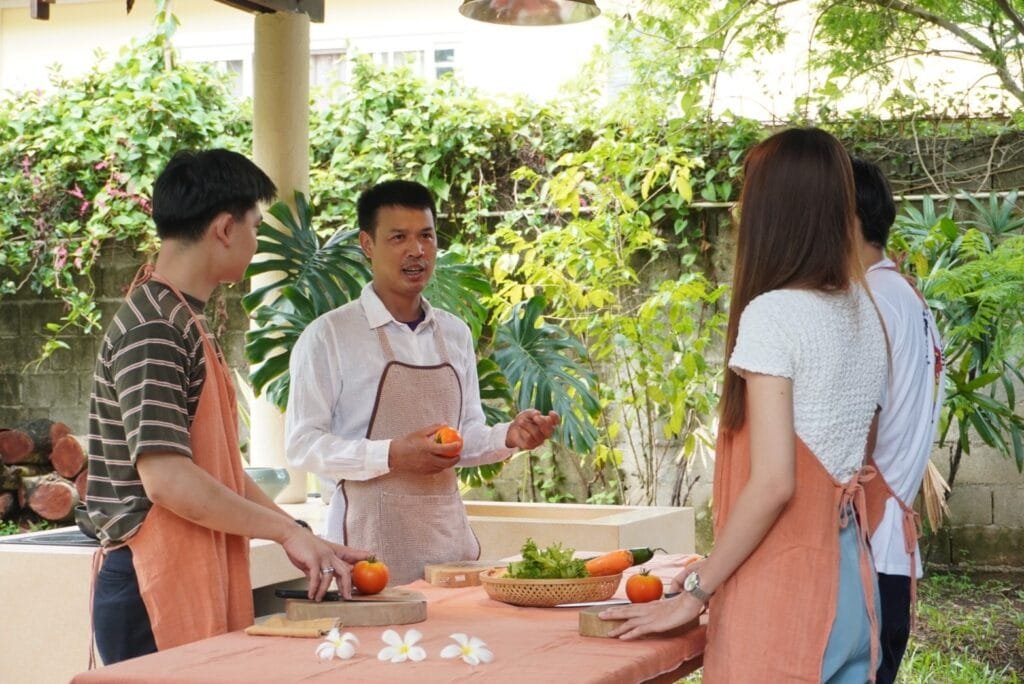
Cooking with Min and May
¿Buscas más experiencias?
Cada ciudad tiene una historia, una forma de vivir y experiencias que vale la pena descubrir. Explora nuestra colección y encuentra nuevas formas de conectar con cada destino.
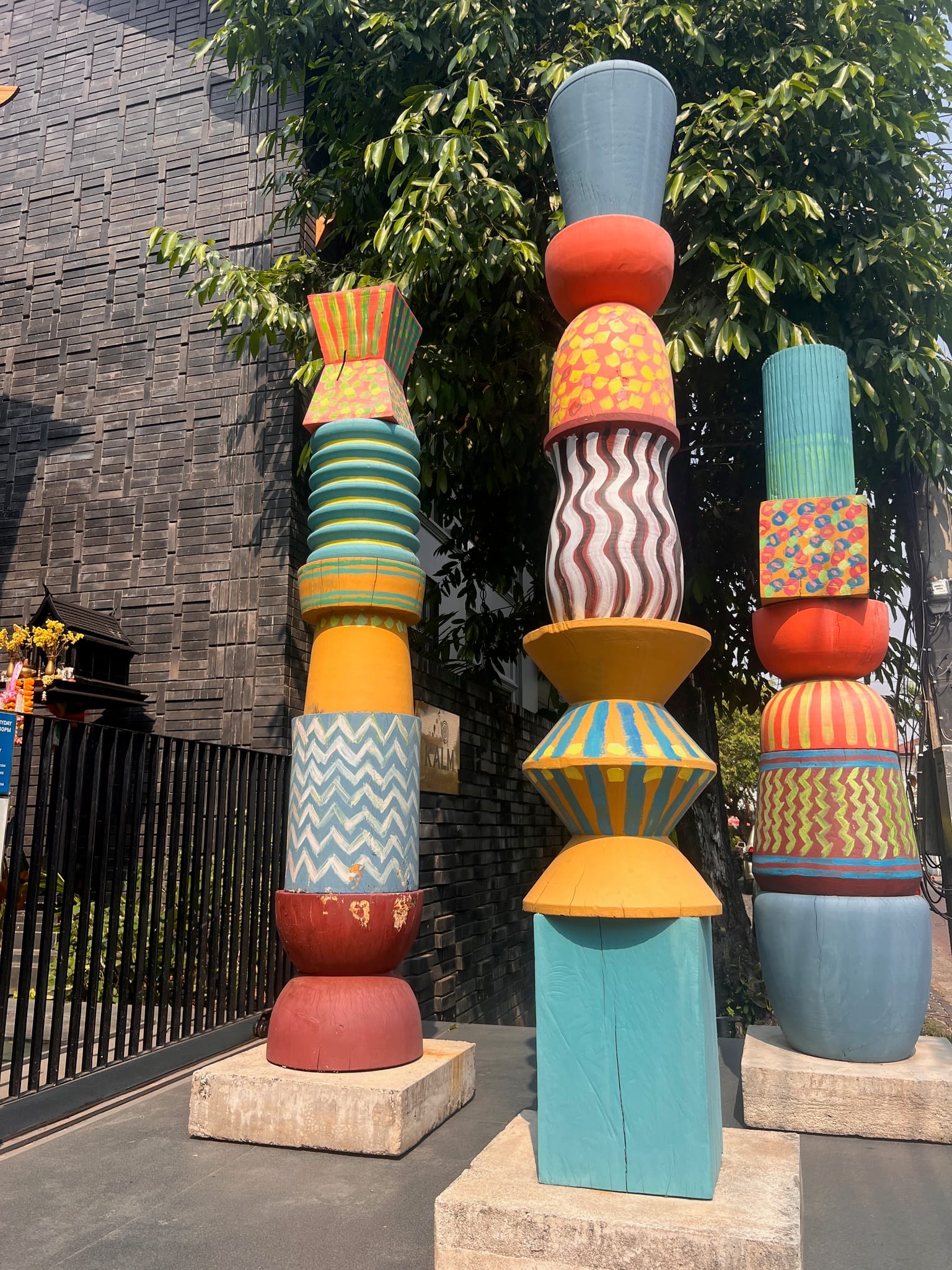
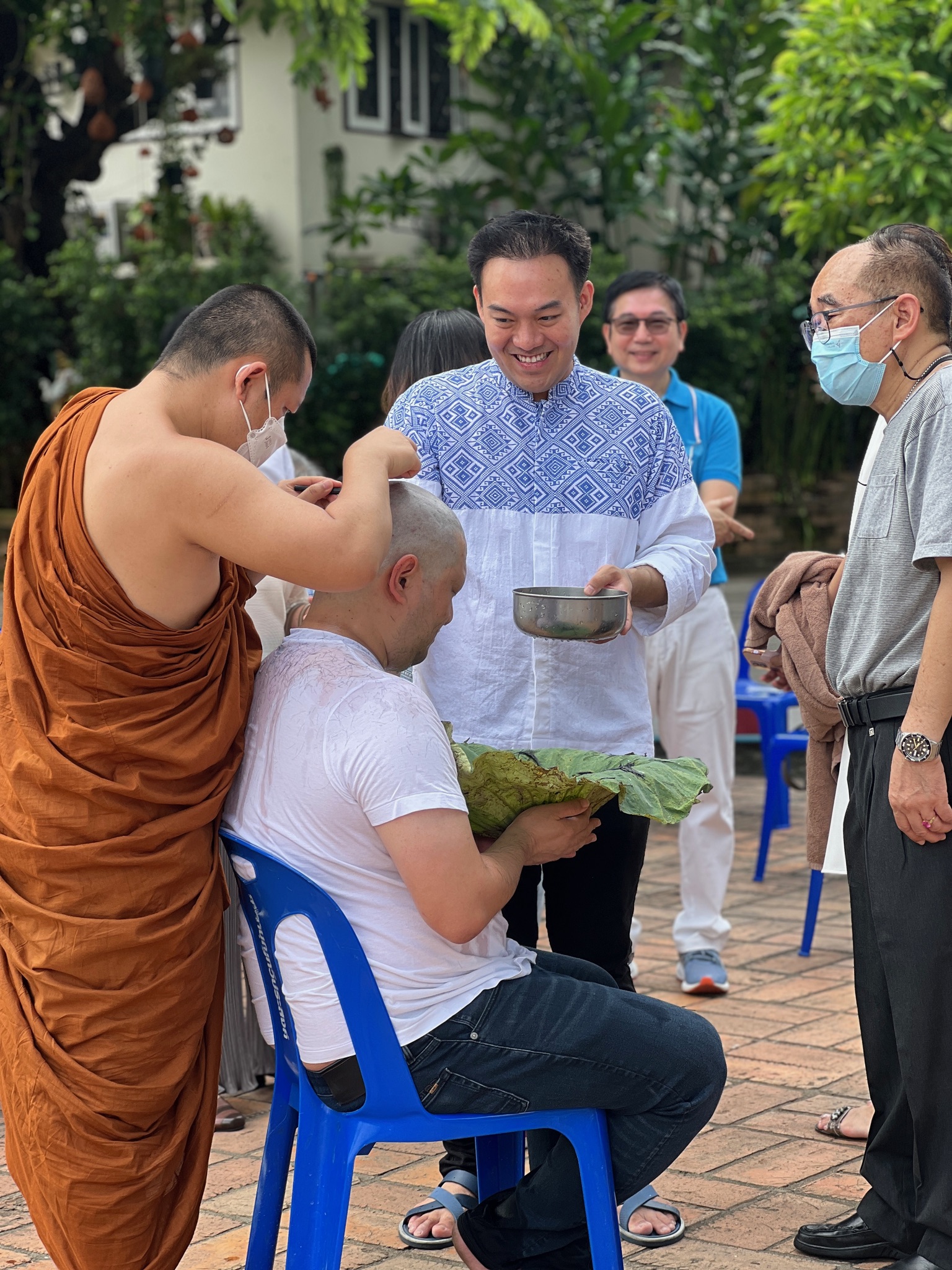
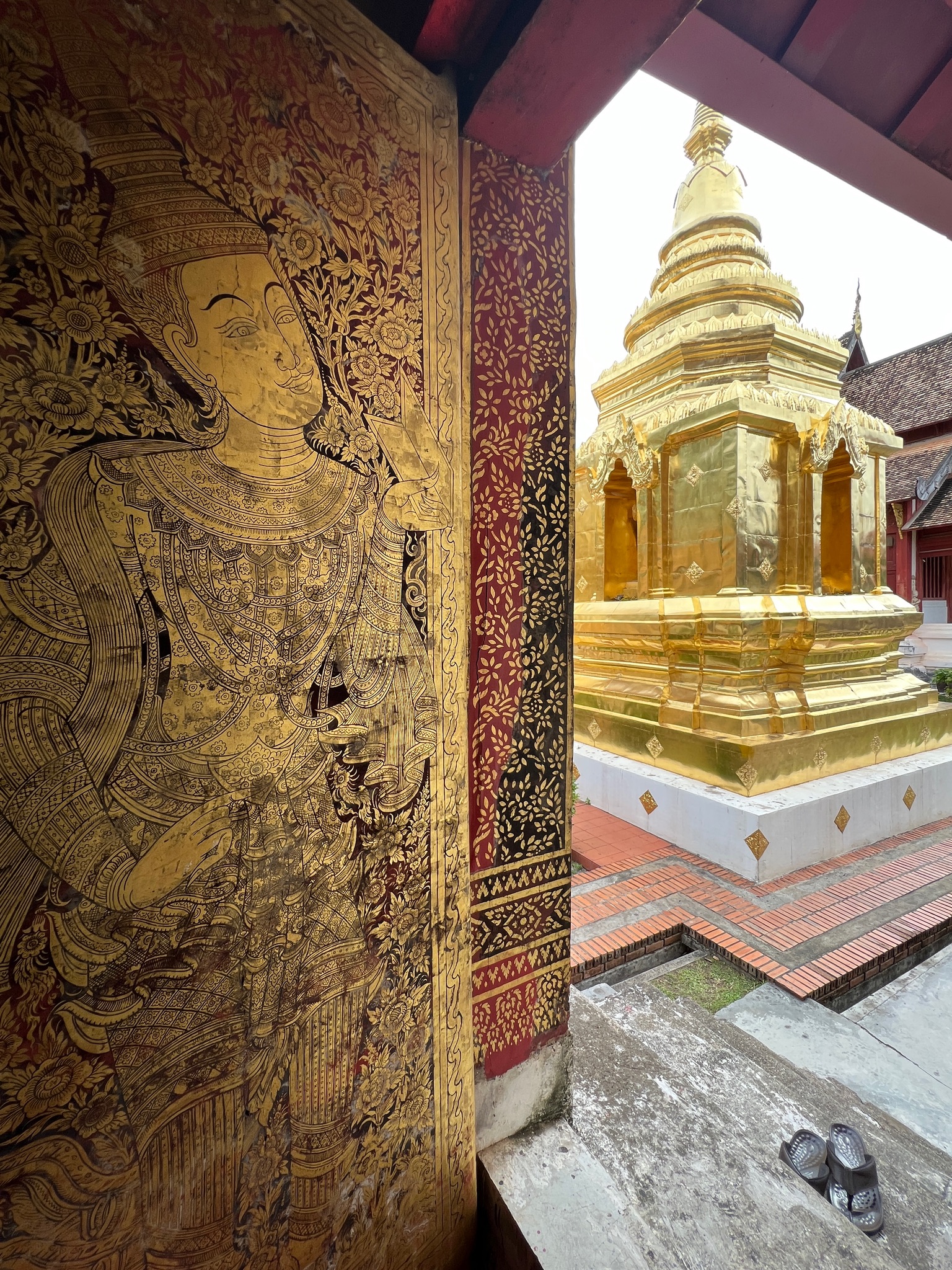
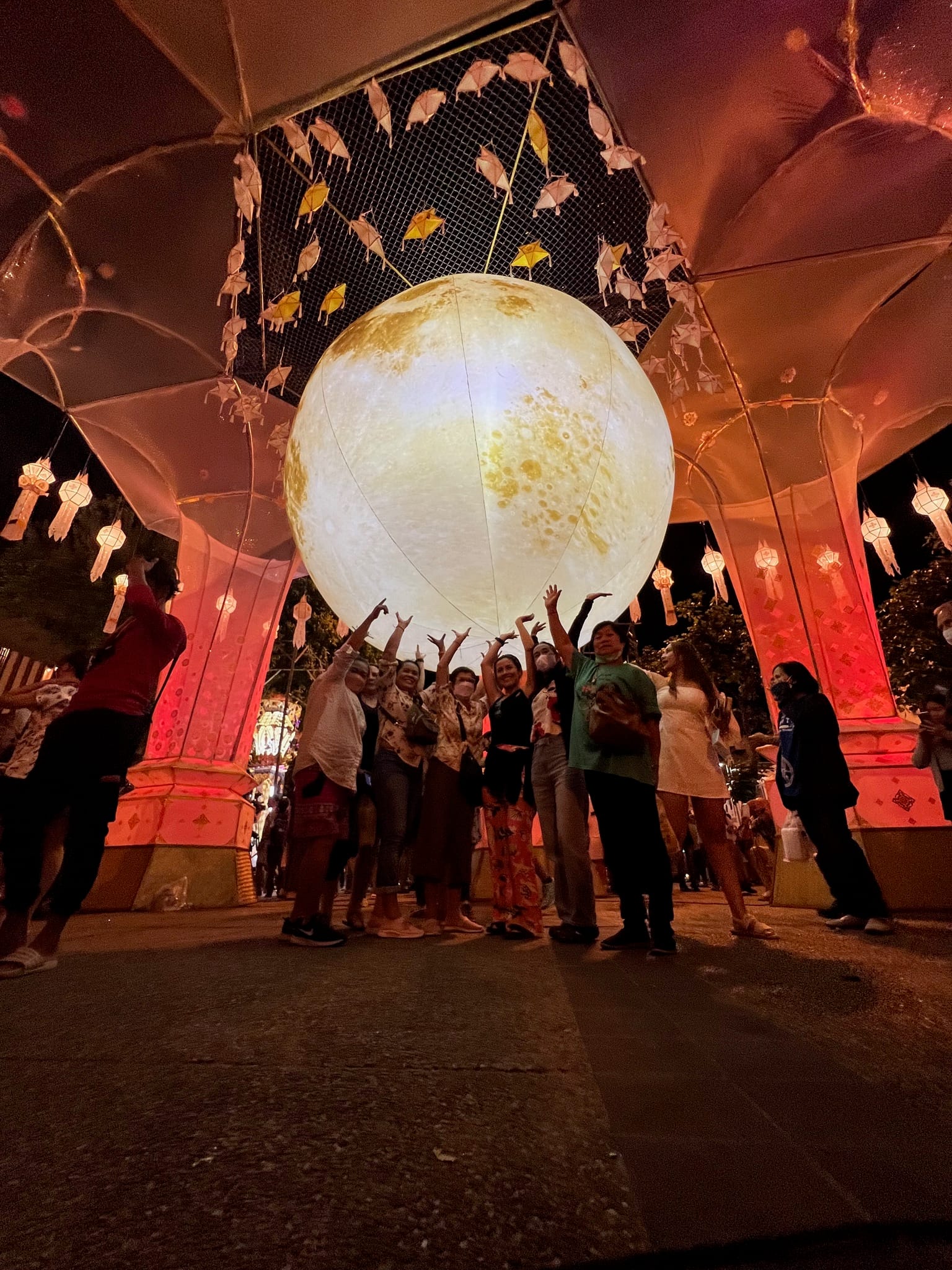
¿Qué hacer en Chiang Mai?
Chiang Mai combina mercados, gastronomía y una escena cultural muy activa. Puedes recorrer Warorot Market o el mercado de Wua Lai, tomar una clase de cocina del norte y descubrir cafés, galerías y espacios creativos en barrios como Nimman y Baan Kang Wat.
La naturaleza también es parte de la experiencia: explora el Parque Nacional Doi Inthanon, visita las curiosas Bua Thong Sticky Waterfalls, relájate junto al lago Huay Tung Tao o escápate a Mae Kampong, un pueblo de montaña rodeado de bosque y plantaciones de té.
Y si buscas bajar el ritmo, Chiang Mai ofrece masajes tradicionales y paseos junto al río Ping. Es una ciudad para descubrir sin prisa.
Población de Chiang Mai
cerca de 1.649.457 habitantes
Superficie de Chiang Mai
20.107 km²
Clima
Tropical y cálido todo el año, con temperaturas que varían entre los 15°C y los 36°C
Región
Norte de Tailandia
FAQ
Preguntas frecuentes sobre viajar a Chiang Mai
How many days should I stay in Chiang Mai?
The number of days you should spend in Chiang Mai depends on your personal preferences, the time you have available, and the places you want to visit in and around the city. However, in order to properly explore Chiang Mai and enjoy its main attractions, I recommend spending at least 3 to 4 days there.
How to get around in Chiang Mai?
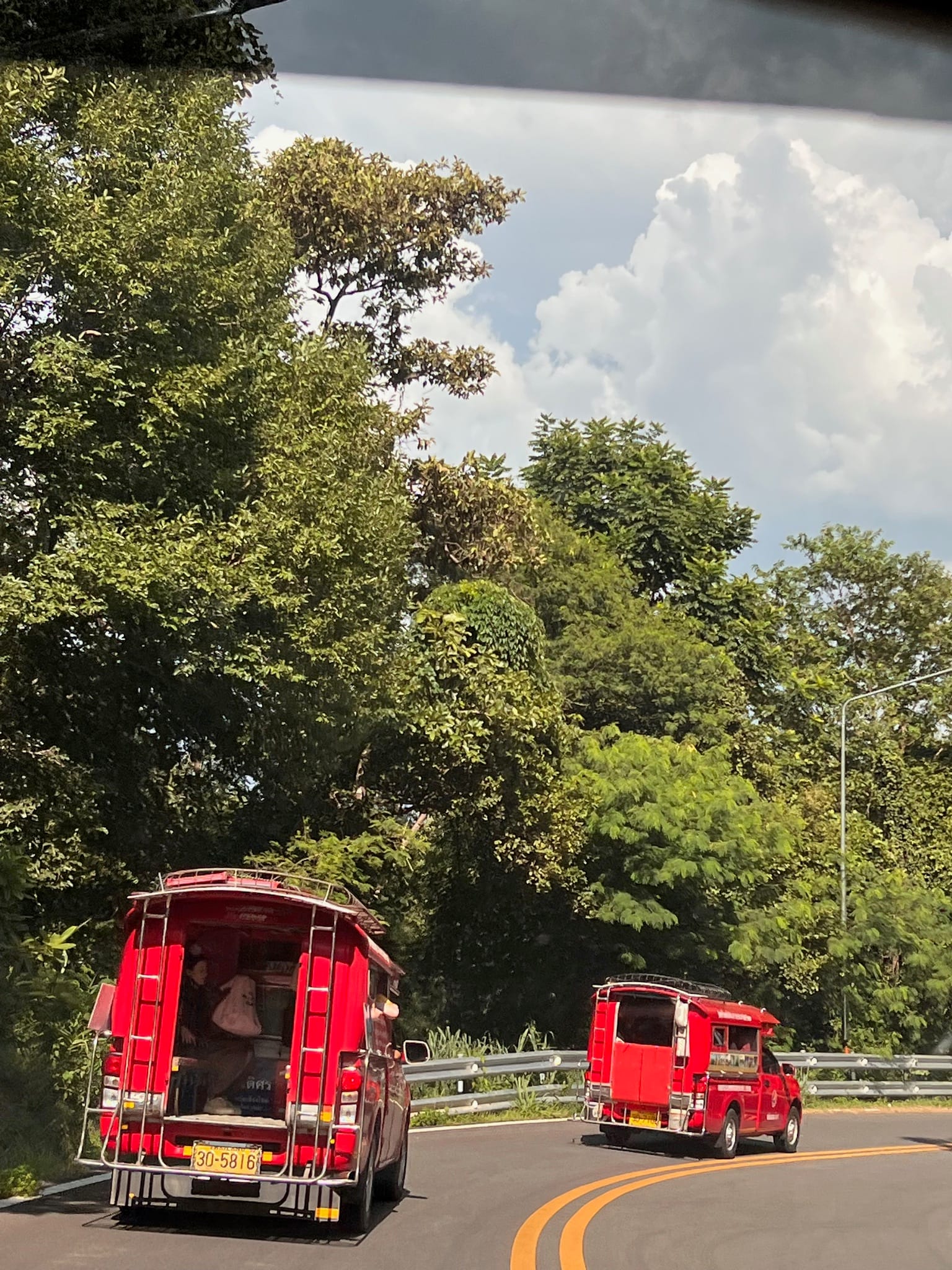
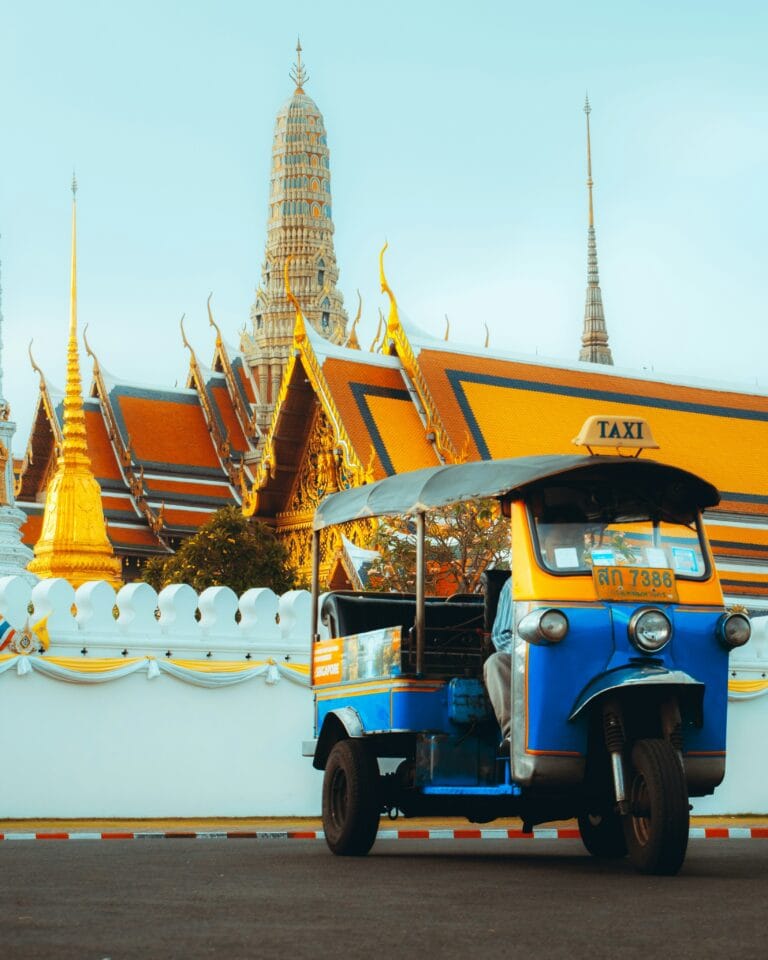
In Chiang Mai, there are several options to help you get around the city. You can opt for traditional tuk-tuks, which are fun and authentic, but be sure to agree on the price beforehand. Songthaews, shared taxis in red pickup trucks, are another popular option.
In the old town, a viable option is to walk and walk to discover craft shops, restaurants, coffee shops, temples, and the normal life of Thai people on your own.
What is the best time of year to visit Chiang Mai?
Between November and February, Chiang Mai experiences its coolest season. Mornings are chilly, the mountains are usually clear, and the city becomes a particularly pleasant place to walk.
March and April mark the so-called "burning season," which is linked to agricultural practices in various northern regions. During these months, air quality can deteriorate significantly, especially for people prone to respiratory problems.
The rainy season, from May to October, completely transforms the landscape. The rice paddies turn a deep green, the mountains become denser, and the city takes on a much more melancholic and cinematic atmosphere. For many travelers, this ends up being one of the most special times to visit Chiang Mai.
How to get to Chiang Mai?
The most common way to get to Chiang Mai is by domestic flight from Bangkok. The flight takes just over an hour, and there are multiple daily flights. There are also routes from other northern cities such as Chiang Rai.
For those who want to take the journey at a more leisurely pace, the overnight train from Bangkok remains one of the country’s most special experiences. More than just a mode of transportation, it serves as a gentle transition into the rhythm of northern Thailand.
What are the recommended areas to stay in?
The Old City is perfect for those who want to stroll among temples, cafes, and local markets. It has a more traditional atmosphere and lets you explore Chiang Mai at a leisurely pace and up close.
Nimman offers a more contemporary experience, with designer cafés, galleries, and creative restaurants. For those seeking peace and quiet and a more contemplative stay, the areas near the Ping River or the outskirts surrounded by nature are often excellent options.
What local dishes are worth trying?
The most iconic dish of the north is khao soi, a creamy curry soup with noodles and aromatic spices. Other notable dishes include sai ua, a traditional herbal sausage, and nam prik noom, a paste made from smoked green chilies.
Much of the culinary experience takes place at night markets and small family-run restaurants. Chiang Mai is a city where food still feels deeply connected to memory, community, and the local area.
What are the most popular destinations among travelers?
The Old City is home to many of Chiang Mai’s most famous temples, boutique hotels, and cafés. It’s the most walkable area and a favorite among first-time visitors to the city.
Nimman attracts creative travelers, remote workers, and those looking for a more modern take on Chiang Mai. Meanwhile, the night markets around Chang Klan are usually the liveliest spots in the evenings.

Read more on the Viajera en Tailandia's blog
Stories that spring from the roads we travel, from the people who live along them, and from what happens when you decide to travel more slowly.