
Sukhothai
Discover the city of historical treasures and Thailand's former grandeur with this guide
Discover Sukhothai: Travel Information
Sukhothai holds a central place in Thai history. Between the 13th and 14th centuries, this ancient city was the capital of the Kingdom of Sukhothai, considered by many to be the cradle of Thai civilization. Under the reign of Ramkhamhaeng, the region experienced a period of artistic, architectural, and spiritual flourishing that is still evident in its ruins and temples.
Today, the Sukhothai Historical Park, designated a UNESCO World Heritage Site, preserves ponds, Buddhist sculptures, and brick structures that offer a glimpse into one of the country’s most significant periods. More than just an archaeological destination, Sukhothai offers a more leisurely way to experience the history, spirituality, and landscapes of northern Thailand.
Recommended Experiences in Sukhothai
Discover more things to do in this city soon.


What to Do in Sukhothai?
The Sukhothai Historical Park is the starting point, but it’s worth exploring beyond its main temples. You can bike between Wat Mahathat, Wat Sa Si, and Wat Si Chum, combining the ruins with the ponds, trees, and scenery surrounding the ancient city. The Old Sukhothai area also offers the chance to discover small restaurants, cafes, and local shops around the park.
Outside the historic center, you can visit Ban Na Ton Chan, a rural community where you can learn about local ways of life, cuisine, and crafts. You can also explore the Si Satchanalai area, north of Sukhothai, home to another important historic park and a tradition linked to Sangkhalok pottery.
It's a good way to connect the history of the ancient kingdom with the trades and communities that are still part of the region.
Population of Sukhothai
about 593,264 residents
Area of Sukhothai
6,596 km²
Weather
Temperatures typically range from 20 °C to 35 °C. The hottest season is usually between March and May
Region
Northern Thailand
FAQ
Frequently Asked Questions About Traveling to Sukhothai
How many days should I spend in Sukhothai?
I would recommend spending at least 2 or 3 days in this city to get the most out of the experience.This will give you enough time to explore the Historic District of Sukhothai, which is home to numerous ancient temples and monuments, and to appreciate their architecture and historical details.
With 2 or 3 days, you'll have the chance to enjoy the beauty and cultural richness of Sukhothai at a leisurely pace and capture the essence of this fascinating historical destination.
How to get around in Sukhothai?
One of the most popular and convenient ways to get around isby renting a bike.The old city and its surroundings are flat and perfect for cycling, allowing you to explore the temples and archaeological sites at your own pace.
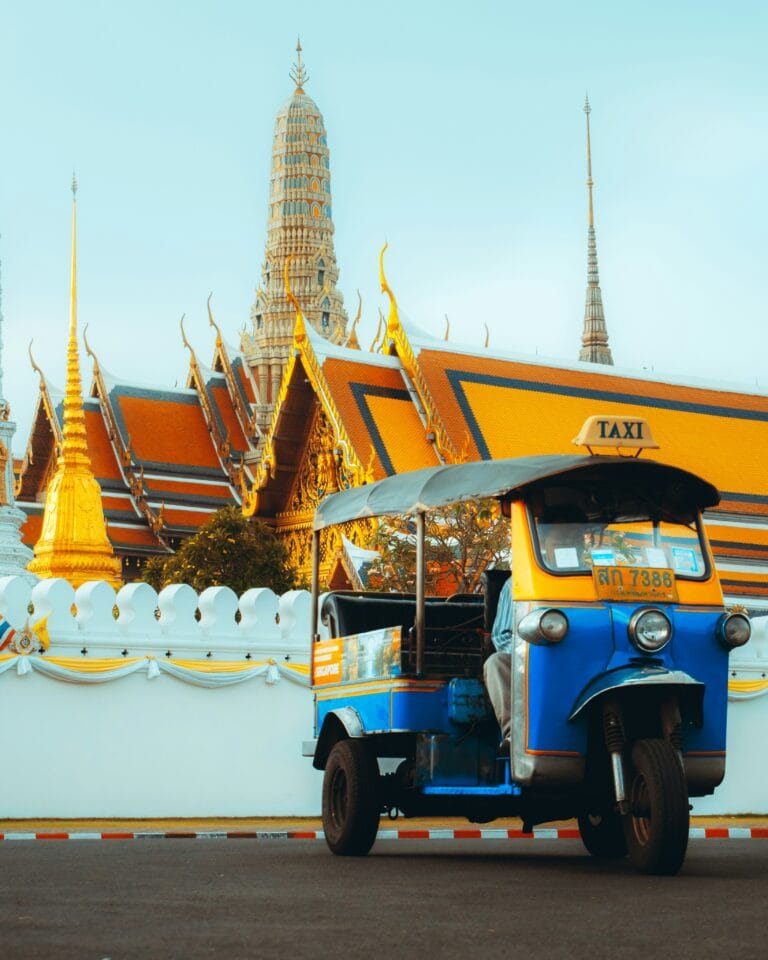
You can also choose to uselocal tuk-tuks and taxis, which are available in the city and can take you to various points of interest. Walking is also a viable option, as there are well-marked trails and clear signage in the park.
When is the best time of year to visit Sukhothai?
The best time of year to visit Sukhothai is usually between November and February, when the weather is cooler and drier, making it ideal for exploring the Historical Park by bike or on foot among the ancient temples and ruins.
Between March and May, temperatures rise considerably, while from June through October, the rainy season arrives, transforming the landscape into a greener and more peaceful setting, albeit with frequent rainfall. One of the most special times to visit Sukhothai is during Loy Krathong in November, when the historic park is illuminated by candles, cultural performances, and traditional lanterns.
How do I get to Sukhothai?
Getting to Sukhothai is relatively easy from various cities in northern and central Thailand. The fastest way is to take a flight from Bangkok to Sukhothai Airport, located on the outskirts of the historic city.
It is also possible to get there by bus from Bangkok, Chiang Mai, or Phitsanulok, a common option among travelers exploring the north of the country by land. Another popular option is to take the train to Phitsanulok and then continue the journey by bus to Sukhothai.
What are the recommended areas to stay in?
The most recommended areas to stay in Sukhothai are generally divided between the New City and the area near the Historical Park. The New City is home to restaurants, cafes, markets, and more transportation options, making it convenient for comfortable stays and connections to other cities in the north.
On the other hand, staying near the Historical Park offers a more peaceful experience and puts you closer to the ancient temples and ruins, especially for those who want to explore Sukhothai by bike at sunrise or sunset, when the atmosphere feels much quieter and more contemplative.
What local dishes are worth trying?
In Sukhothai, one of the most iconic dishes is Sukhothai noodles, a rice noodle soup with pork, peanuts, and vegetables that features a balance of sweet, sour, and spicy flavors, reflecting the region's traditional cuisine.
It's also worth trying various curries from northern Thailand, sticky rice, grilled meats, and local desserts made with coconut and palm sugar. In markets and small family-run restaurants, it's common to find more home-style recipes and milder flavors than in the south of the country.
What are the most popular destinations among travelers?
The areas most frequently visited by travelers in Sukhothai are typically concentrated around the Sukhothai Historical Park, where the main temples, ponds, and ancient ruins of the former kingdom are located. Sites such as Wat Mahathat, Wat Si Chum, and Wat Sa Si are among the most visited attractions within the historical complex.
The New City also attracts travelers with its markets, cafes, and accommodations, serving as a convenient base for exploring the region. Many visitors explore Sukhothai by bicycle, especially at sunrise or sunset, when the atmosphere in the park becomes much more peaceful and contemplative.

Read more on the Viajera en Tailandia's blog
Stories that spring from the paths we've traveled, from the people who live along them, and from what happens when you decide to travel more slowly.