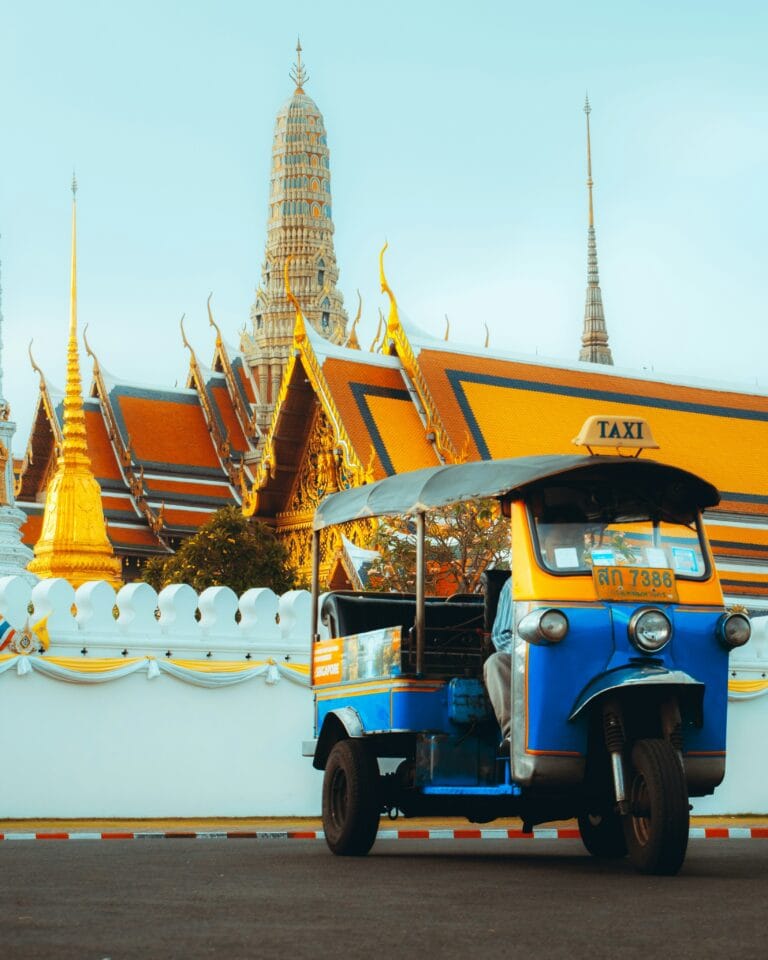
Planning that dream trip to Southeast Asia seems easier than ever these days. I’m sure your head is already full of blogs, digital maps, and you’ve probably even asked artificial intelligence for a couple of itineraries. It’s completely normal to feel like you have everything under control and that you can plan the perfect itinerary on your own.
However, this false sense of security is exactly what ruins the vacations of thousands of travelers every year. In the world of travel, these classic mistakes in planning your trip cause you to waste time, money, and a lot of energy by blindly trusting information from the internet.
This is where we ask ourselves: Why do you need a local expert or a travel planner when AI exists? The answer is simple and very human: algorithms don’t sweat, don’t get tired, and don’t have feelings. An AI can give you a list of must-see temples and travel times, but it can’t do an “in-personvibe check”to see if the place is really worth visiting at that moment.
He doesn't know that the humid midday heat in Bangkok will leave you exhausted, nor does he understand that the Tuesday market completely blocks off that street he recommended for a walk.
A truly unforgettable trip requires the personal touch of those who know, breathe, and live the destination. Below, we share the 7 most common logistical mistakes we see travelers make—and, most importantly, how to avoid them so you can enjoy your trip to the fullest.
1. Underestimating the extremely long travel times by land
It's happened to all of us: we look at a map of Thailand on our phone screen and think, "Oh, this is right next door." The number one mistake is underestimating the sheer size of the country. The geographical reality is daunting, and travel takes much longer than the algorithms estimate.
Let's take the classic dream of traveling from Bangkok up north to Chiang Mai as an example. If you don't book your trip with the right information, you could end up on a daytime train, spending between 11 and 16 hours sitting. That’s a whole day of your vacation down the drain! Traveling to the southern islands is another logistical challenge involving overnight trains or flights, followed by long bus rides and waits at ferry terminals under the blazing sun.
An algorithm doesn't take into account the fatigue of carrying luggage through an embarkation port or walking from one terminal hall to another; a local expert, on the other hand, will plan your connections with realistic time buffers to ensure a smooth journey based on real, verified information.
2. The Mistake of Elaborate Footwear and the Sacred Etiquette
Thailand is the land of a thousand temples, and we know you want to visit them. But exploring them requires some personal logistics that almost no one tells you about. There’s one unbreakable golden rule: take off your shoes before entering any temple, monastery, or place of worship.
If you decide to go for a walk in Thailand wearing boots with endless laces or super-tight sneakers, we guarantee you’ll spend half your day crouching down, tying and untying knots, sweating, and losing your patience. What’s the best advice from those of us who live here? Pack slip-on shoes (comfortable, laceless shoes or sandals that are very easy to take off).
Also, remember that you must have your shoulders and knees covered to enter a place of worship; opt for linen or cotton clothing, both of which are breathable. These are tiny details that an AI might only mention in passing, but in practice, they make the difference between marveling at a golden Buddha and being frustrated while waiting at the door.
3. Reliance on parked taxis (and the overuse of apps)
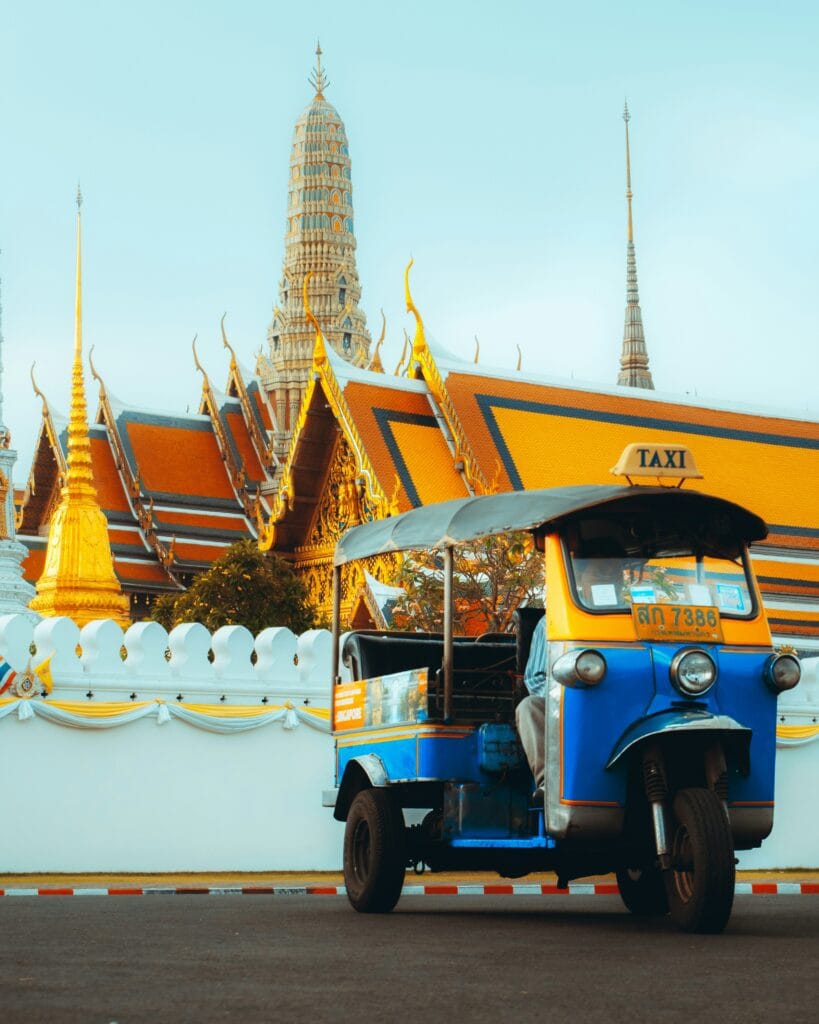
Arriving in a city as vibrant and noisy as Bangkok can be a little overwhelming, and it’s perfectly normal to look for the easy way out by hailing the taxis that are conveniently parked in front of your hotel or major landmarks. Be careful! These drivers will almost always refuse to turn on the meter and will demand an exorbitant flat rate, taking advantage of your exhaustion.
To avoid feeling ripped off, many travelers go to the other extreme and rely solely on apps like Grab or Bolt. Although they offer peace of mind and eliminate the language barrier, during peak hours their dynamic algorithms can make your ride cost between 50% and 100% more—and also subject you to long waits on the sidewalk. The real local “hack” that will save you a lot of hassle is to walk a few steps away from the tourist area, confidently raise your hand to hail a taxi that’s already moving, and simply smile and say, “Meter ka?” (Taxi meter?).
Are you looking for other apps to make your trip to Thailand easier? From translations to transportation, check out this article featuring recommended apps to make your Southeast Asia experience more stress-free.

4. The Trap of Wanting to See It All: The Overloaded Itinerary
Bangkok, Chiang Mai, Phuket, the Phi Phi Islands, and Koh Samui… All in just 7 or 8 days! We totally get the FOMO (fear of missing out). You’re traveling from far away, spending your savings, and you want to make the most of every second. However, a nonstop itinerary condemns you to an exhausting cycle of packing and unpacking, dealing with airports, and going through endless check-ins.
Standardized internet itineraries will take you to exactly the same places, at the same time, alongside thousands of tourists all looking for the same photo opportunity. Working with a travel designer takes that burden off your shoulders. They know how to tailor the trip to your pace, create stops that let you savor a bowl of tom yum soup, and adjust the schedule so you arrive at that idyllic beach just as the big, crowded tour groups have already left.
5. Ignoring the dual monsoon system
The tropical climate can cause a lot of headaches. It’s very common to read on generic blogs that Thailand only has a “dry season” and a “rainy season.” Thinking this way is almost a surefire way to ruin your days at the beach, since the southern part of the country is governed by two monsoon seasons that occur in different months.
If you travel between May and October (your summer) and follow a standard itinerary that takes you to the Andaman Coast (Phuket, Krabi), you’re very likely to encounter storms and rough seas. However, a local expert, who wants to ensure you have a great vacation, will take you to the Gulf of Thailand coast (Koh Samui, Koh Phangan, Koh Tao). There, during those same months, there’s less rain, the sun shines, and the sea is calmer.
No algorithm will take care of your days off with the same attention to detail as someone who knows the Thai sky and sea.
6. Believing that there will always be same-day train tickets available
You've probably seen those romantic videos of the overnight train crossing Thailand. It's a wonderful way to make the most of your time and money while you sleep. But thinking you can just show up at the station on the same day and buy your ticket is a mistake that causes a lot of last-minute stress.
Comfortable first-class sleeper berths (which offer privacy) and air-conditioned second-class sleeper berths to popular destinations like Chiang Mai sell out weeks or even months in advance, especially if your trip coincides with holidays such as Songkran. Leaving this level of logistics to a specialist guarantees your spot so that all you have to worry about is enjoying the scenery.
7. Let ATMs eat up your budget
Even though we're used to paying for everything with our cell phones, you'll be happy to know that Thailand still has a culture of street markets and food stalls where cash (baht) is still the most commonly used form of payment.
Keep in mind that every time you insert your bank card, Thai ATMs will charge you a flat fee of 220 THB (about 6 USD), whether you’re withdrawing enough for a cup of coffee or for an entire week. To save money, the trick is to withdraw the maximum allowed per transaction (up to 30,000 THB) and, most importantly, always decline the screen offering “Dynamic Currency Conversion.” Let your own bank handle the exchange; we guarantee you’ll save plenty of money to spend on massages and good food.
Your trip deserves to be an experience, not just a prompt
Artificial intelligence can put together an itinerary in seconds. It can suggest temples, beaches, and restaurants. But it doesn’t know what it’s like to walk in 38 °C heat in Bangkok, or what it takes to try to travel across half the country during the rainy season. It doesn’t understand the rhythm of the destination, the rejuvenating experiences, the small decisions that change a trip, or the details that rarely show up in a search.
AI can provide you with information. Human experience brings judgment, context, and sensitivity.
If you're looking for an itinerary tailored to your travel style, check out our travel travel planning. And if you’d rather explore on your own, check out our platform for platform, a curated selection of hosts and activities to help you discover a more authentic Thailand.
Because the best memories aren't created by algorithms. They're built on the ground.
References
- Thailand Temple Dress Code Guide: Do’s and Don’ts for Tourists – TAGTHAi, accessed June 11, 2026, https://www.tagthai.com/explore/p/temple-dress-code
- "5 Reasons AI Will Never Replace Travel Advisors," accessed June 11, 2026, https://www.rangetravel.com/stories/why-ai-will-never-replace-travel-advisors
- Dress Code for the Grand Palace and Temples in and around Bangkok | Your Thai Guide, accessed June 11, 2026, https://yourthaiguide.com/dress-code-for-grand-palace-and-temples-in-and-around-bangkok/
- "Why AI Can't Replace Local Expertise for Your Vacation Plans," accessed June 11, 2026, https://tomaandcoe.com/blog/why-ai-is-no-substitute-for-local-expertise/