
Chiang Rai
Tu guía regenerativa para descubrir la magia natural en el norte de Tailandia
Conoce Chiang Rai: Información para tu viaje
Chiang Rai moves at a different pace. Surrounded by mountains, morning mist, and roads winding through coffee and rice fields, the city retains a tranquil atmosphere that contrasts with the hustle and bustle of Bangkok. Its history dates back to the ancient Lanna Kingdom, a legacy that can still be felt in its temples, markets, and northern Thai traditions.
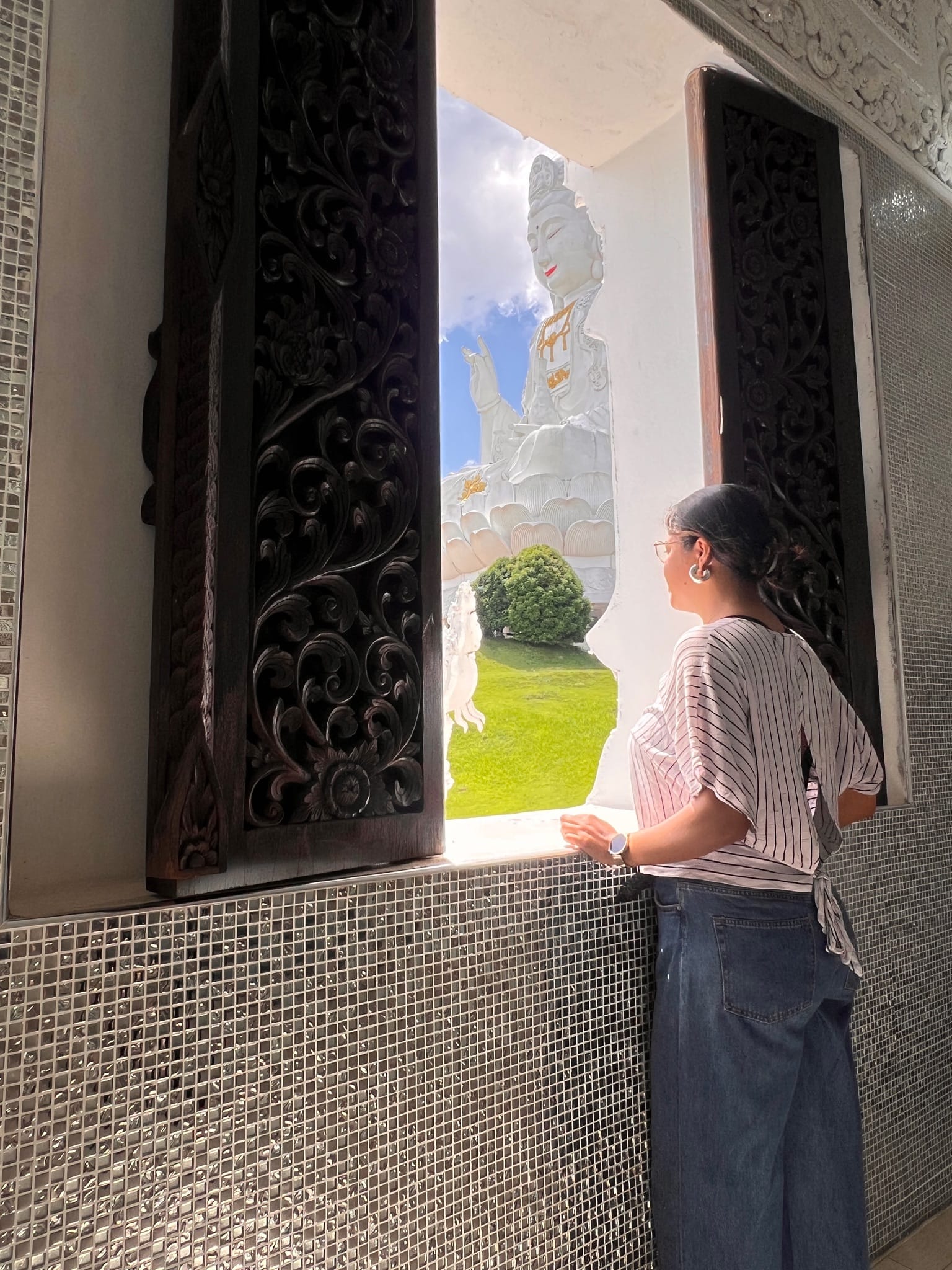
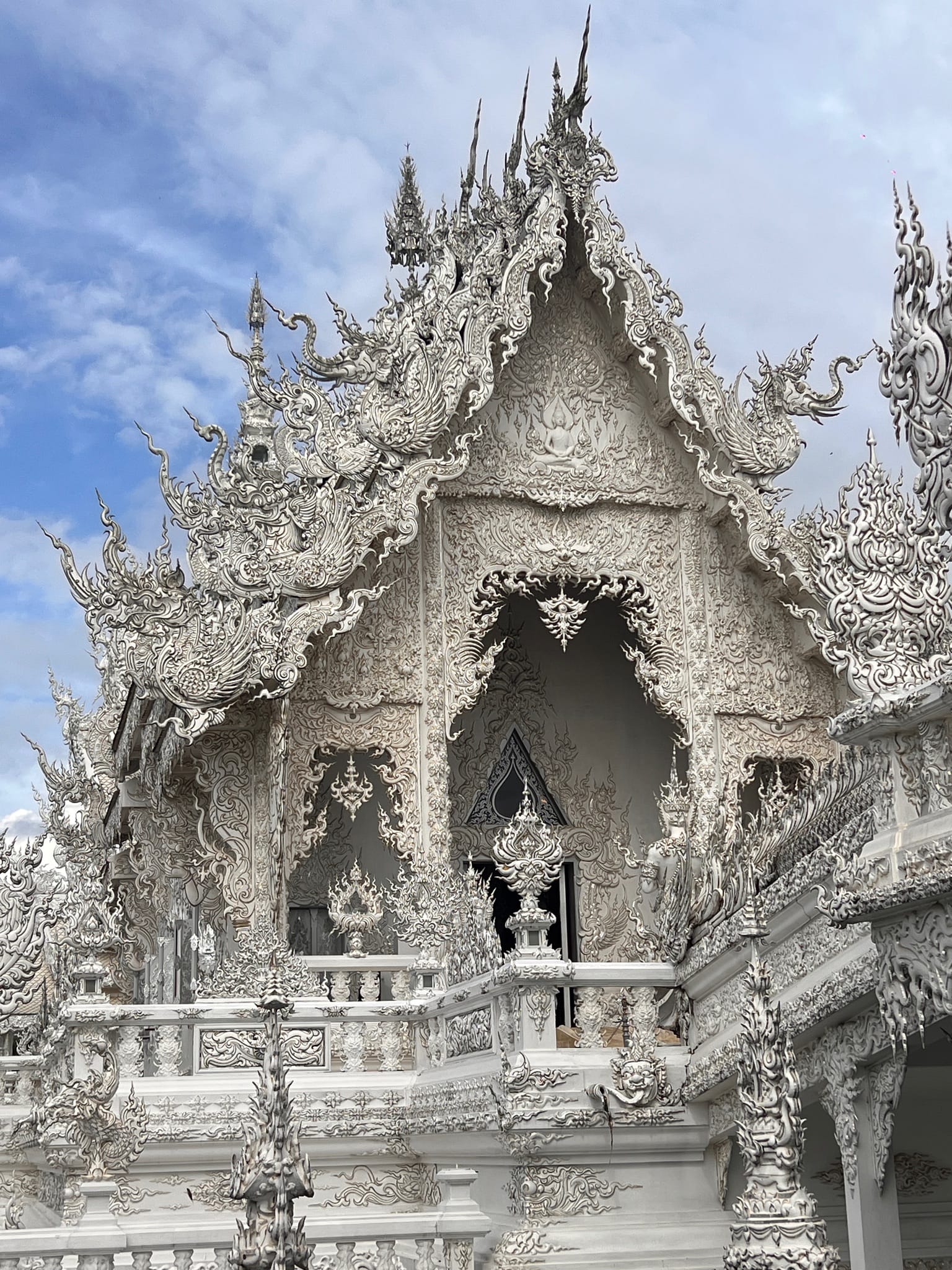
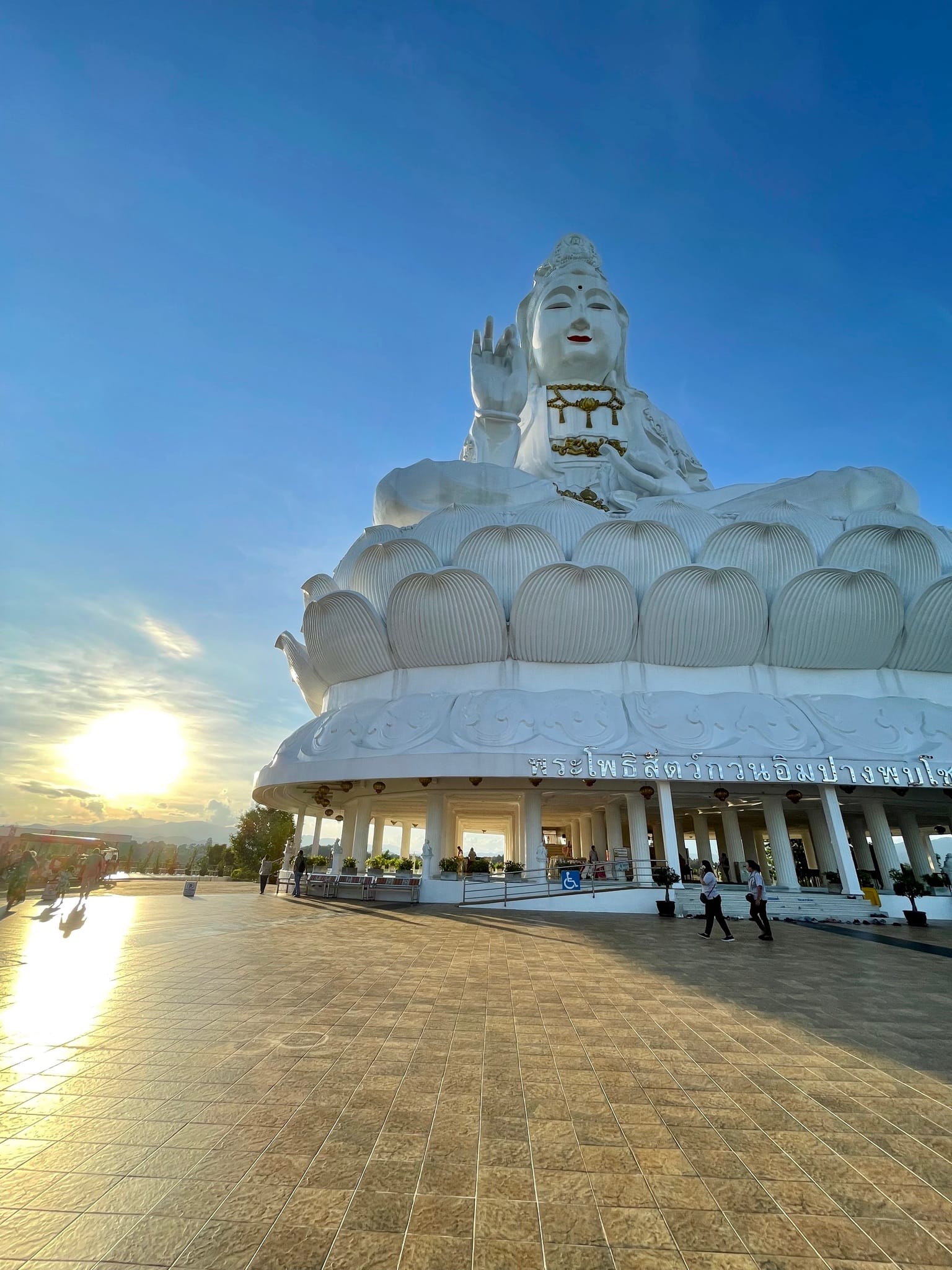
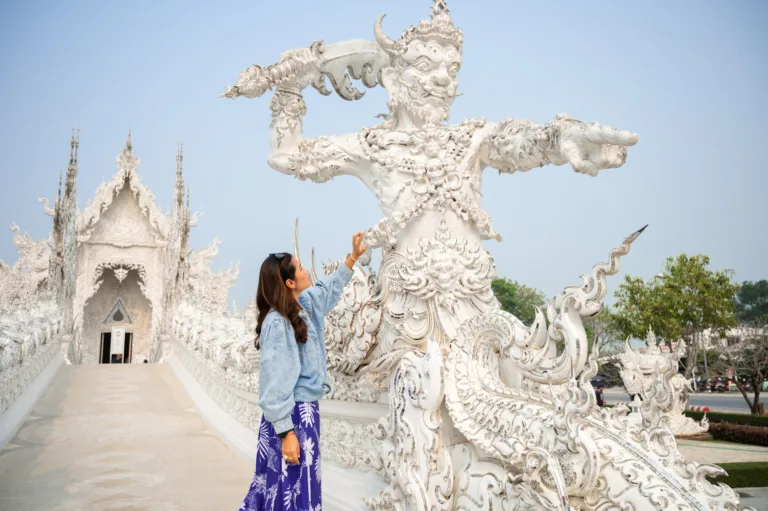
The city is known for places such as Wat Rong Khun, the famous White Temple, and Wat Huay Pla Kang, whose architectural details rise up against the backdrop of mountains and open skies.
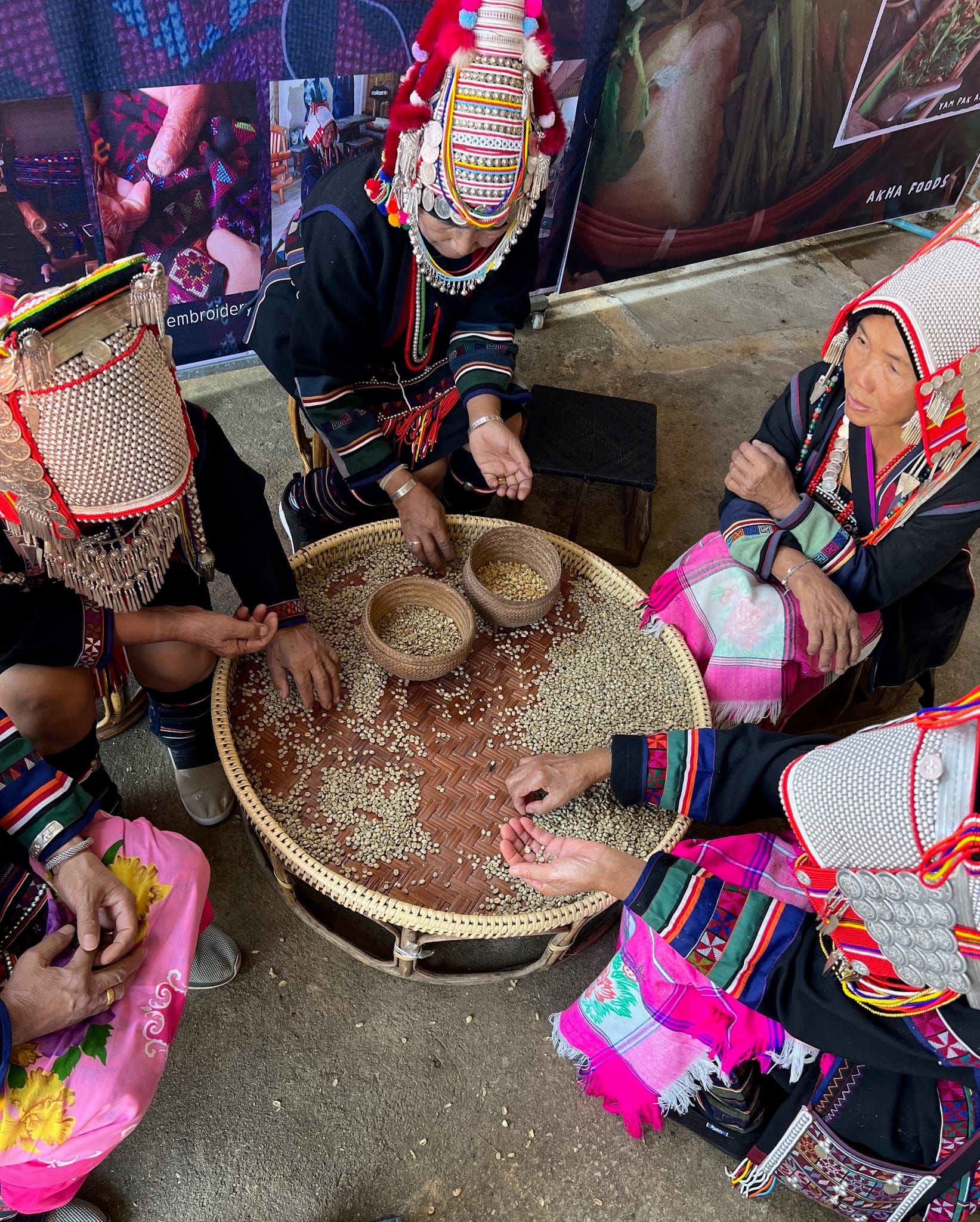
Beyond its temples, Chiang Rai also showcases the cultural diversity of northern Thailand through communities such as the Akha, Karen, and Hmong, whose presence can be seen in local markets, handicrafts, and traditions that remain alive in the region.
Recommended things to do in Chiang Rai
Discover more things to do in this city soon.
¿Qué hacer en Chiang Rai?
Puedes recorrer el Night Bazaar al caer la tarde, probar comida callejera y buscar artesanías locales, o visitar el Saturday Walking Street si coincides con el fin de semana. En el centro, la Torre del Reloj se ilumina cada noche con un espectáculo de luces que se ha convertido en uno de los puntos más curiosos de la ciudad.
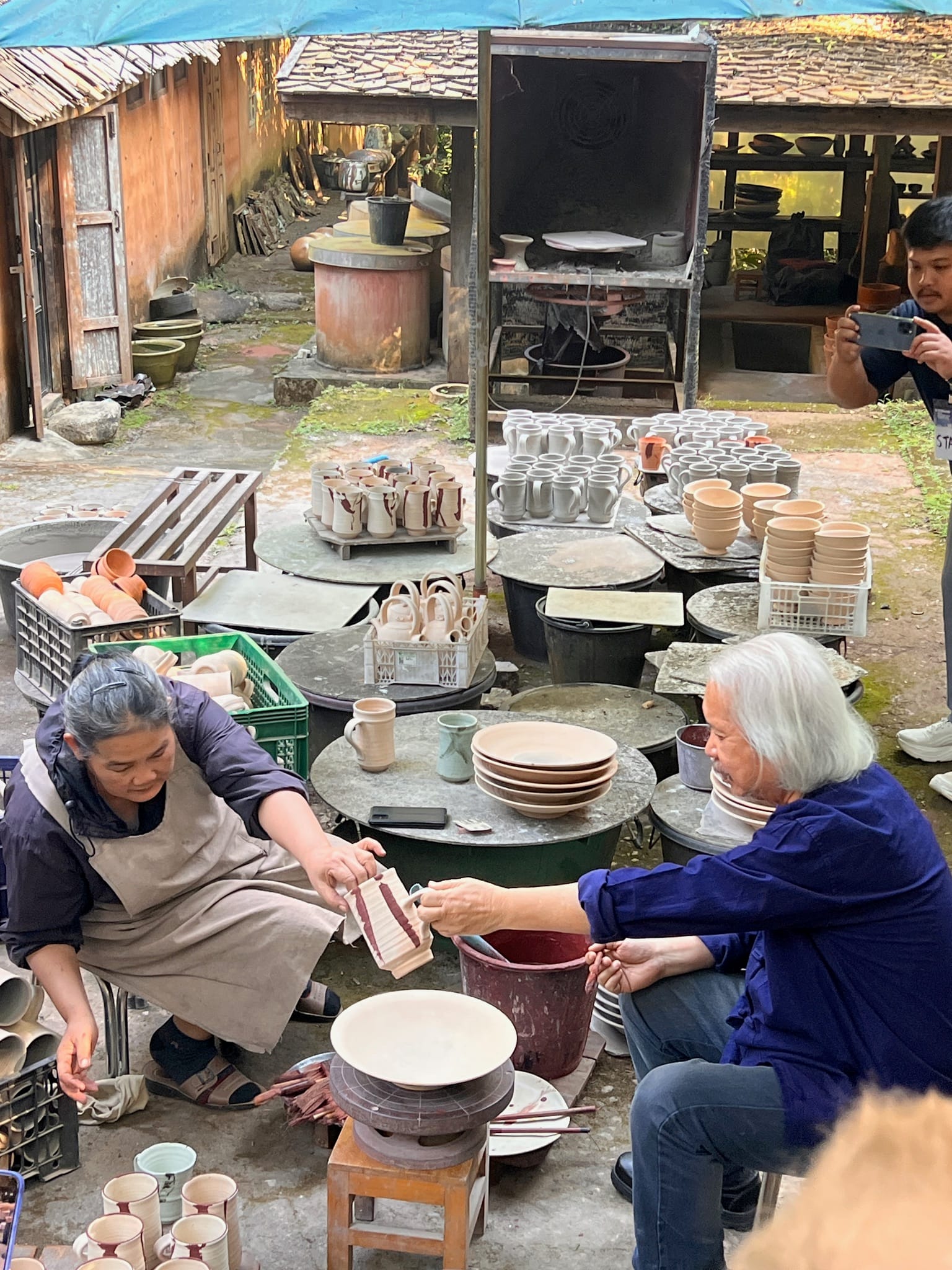
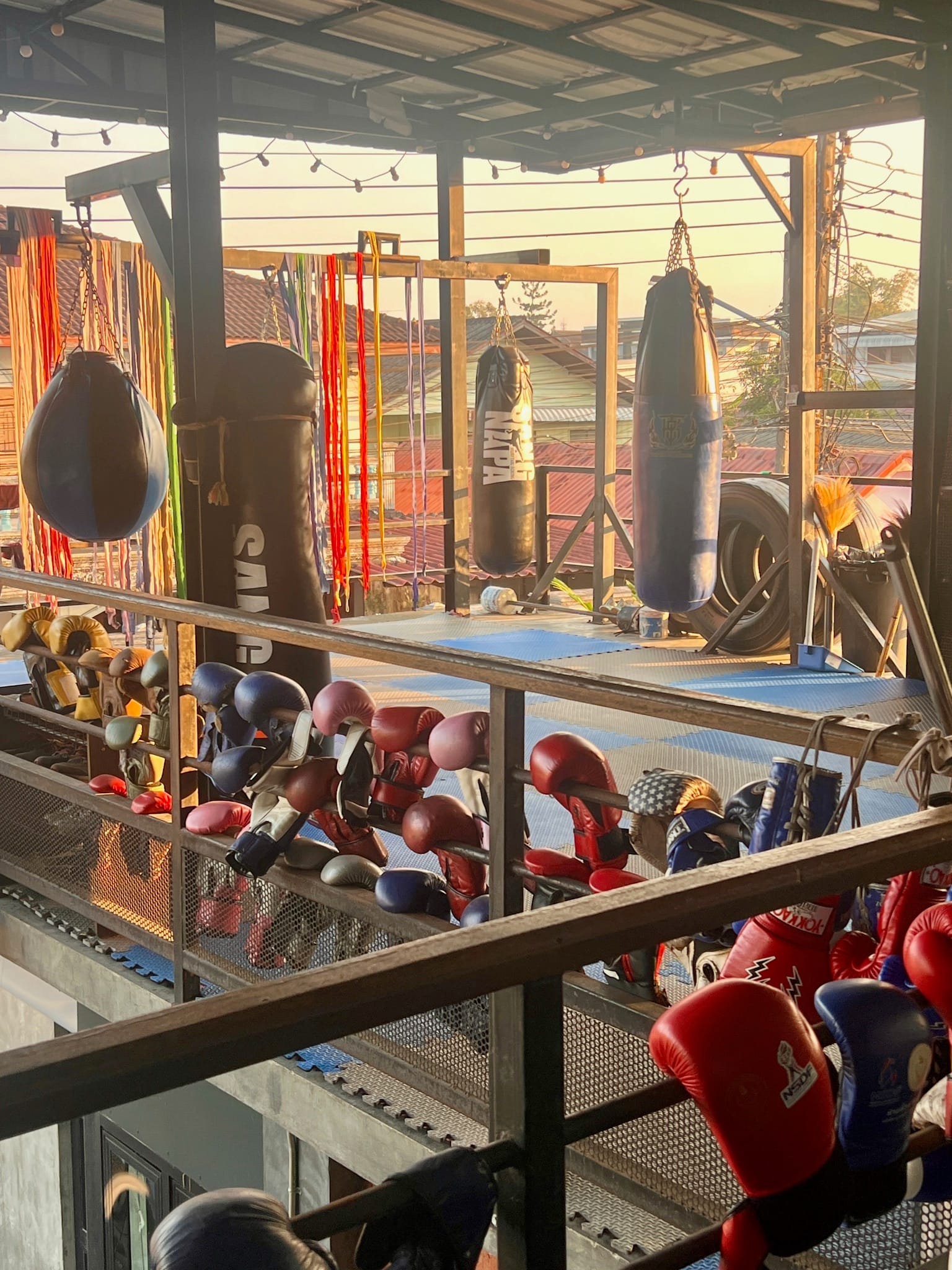
La provincia también ofrece espacios para acercarte a su escena artística y cultural, desde museos y proyectos de arte contemporáneo hasta talleres donde descubrir artesanías y conocimientos tradicionales.
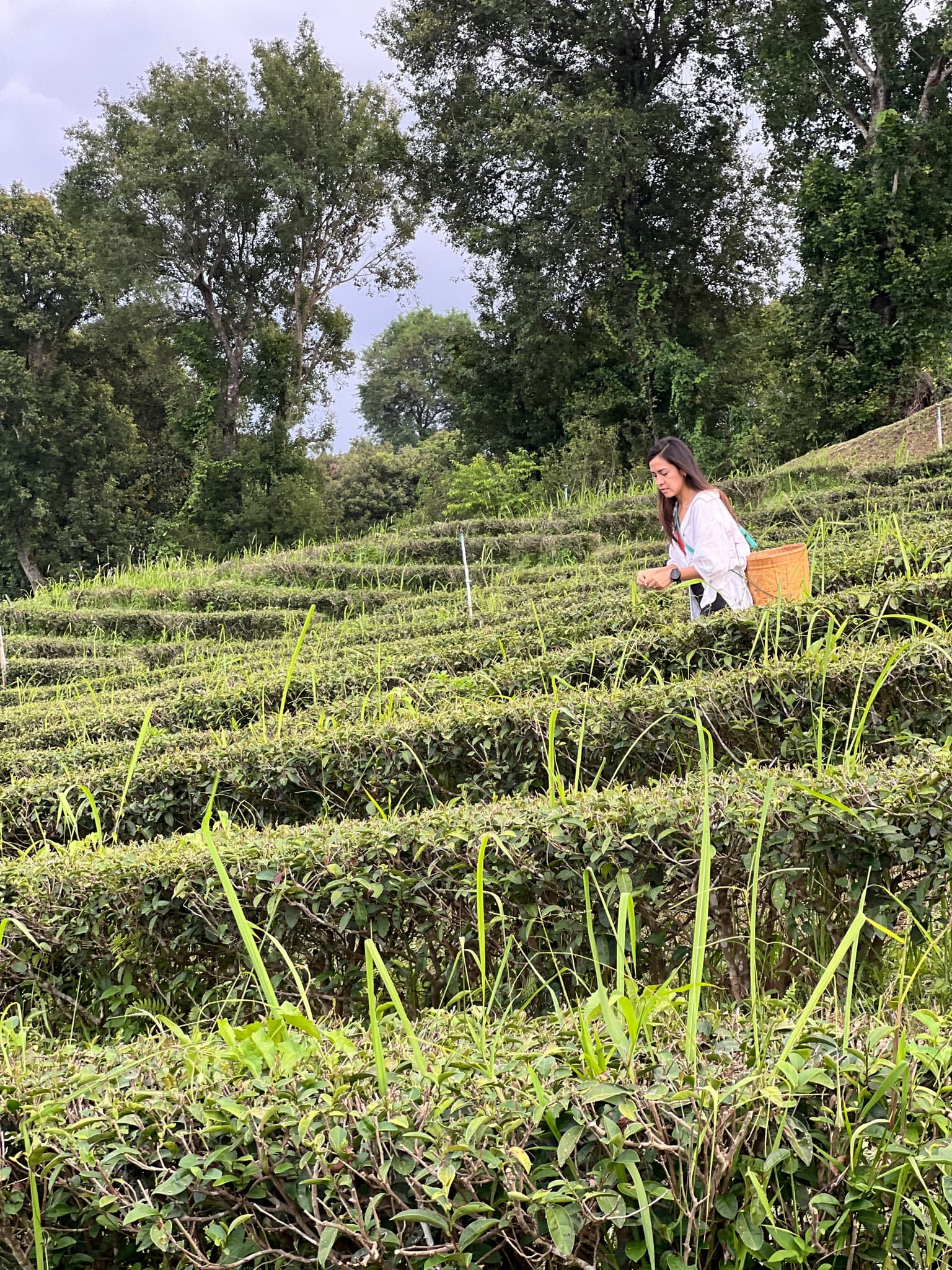
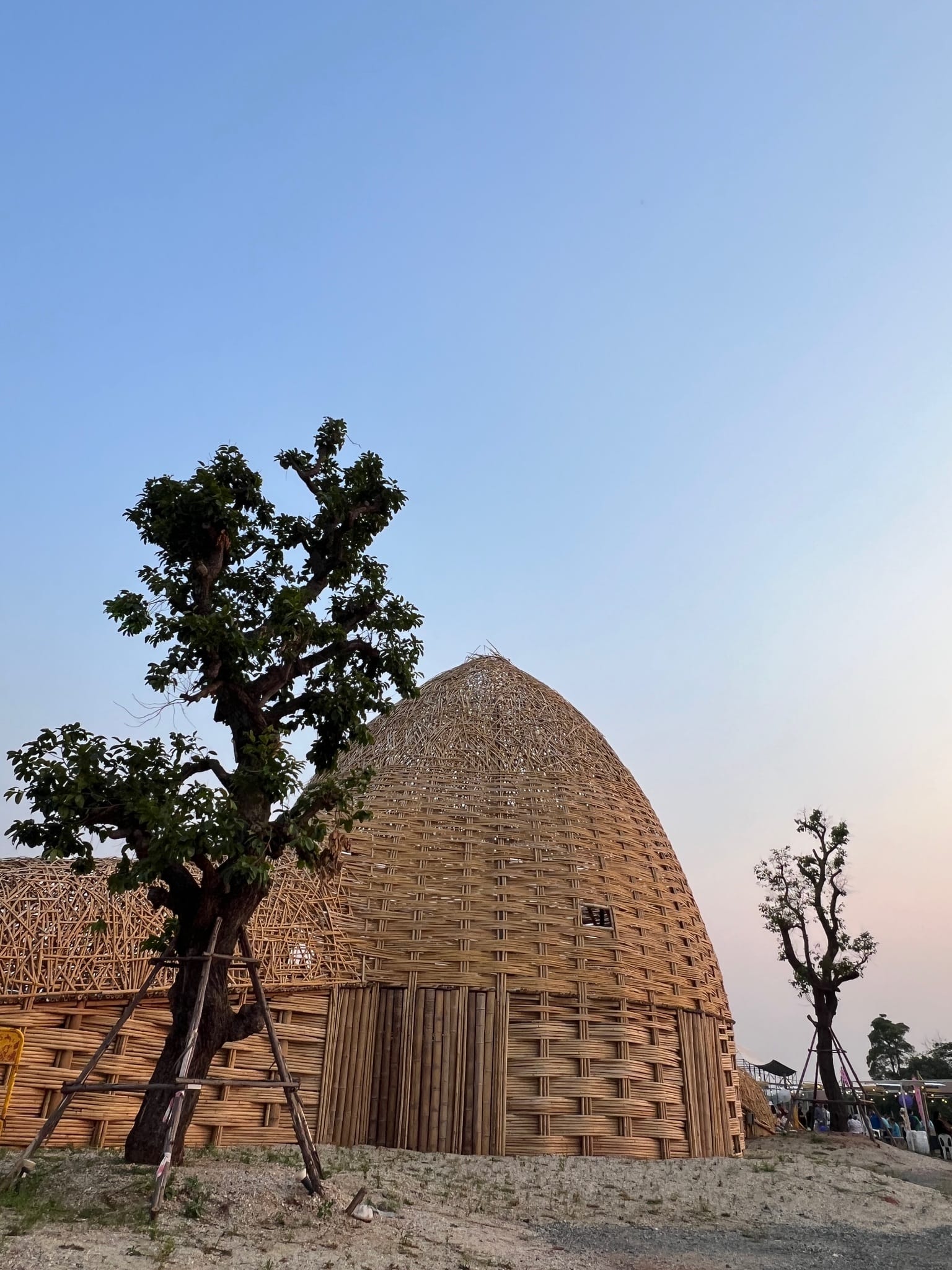
En los alrededores puedes visitar plantaciones de té y café, explorar las zonas montañosas y acercarte a comunidades locales para conocer otra cara del norte de Tailandia, lejos de los circuitos habituales.
Población de Chiang Rai
cerca de 1.298.304 habitantes
Superficie de Chiang Rai
11.503 km²
Clima
Clima cálido durante todo el año, con temperaturas promedio de 25–26 °C
Región
Norte de Tailandia

Read more on the Viajera en Tailandia's blog
Stories that spring from the roads we travel, from the people who live along them, and from what happens when you decide to travel more slowly.
FAQ
Preguntas frecuentes sobre viajar a Chiang Rai
How many days should I spend in Chiang Rai?
The recommended number of days to spend in Chiang Rai may vary depending on your interests and the time you have available. However, you should set aside at least 2 to 3 days to properly explore the city and its main attractions.
If you’d like to explore beyond urban Chiang Rai and discover the beautiful countryside and hill tribes, you might want to consider extending your stay to 4 or 5 days.
How do you get around in Chiang Rai?
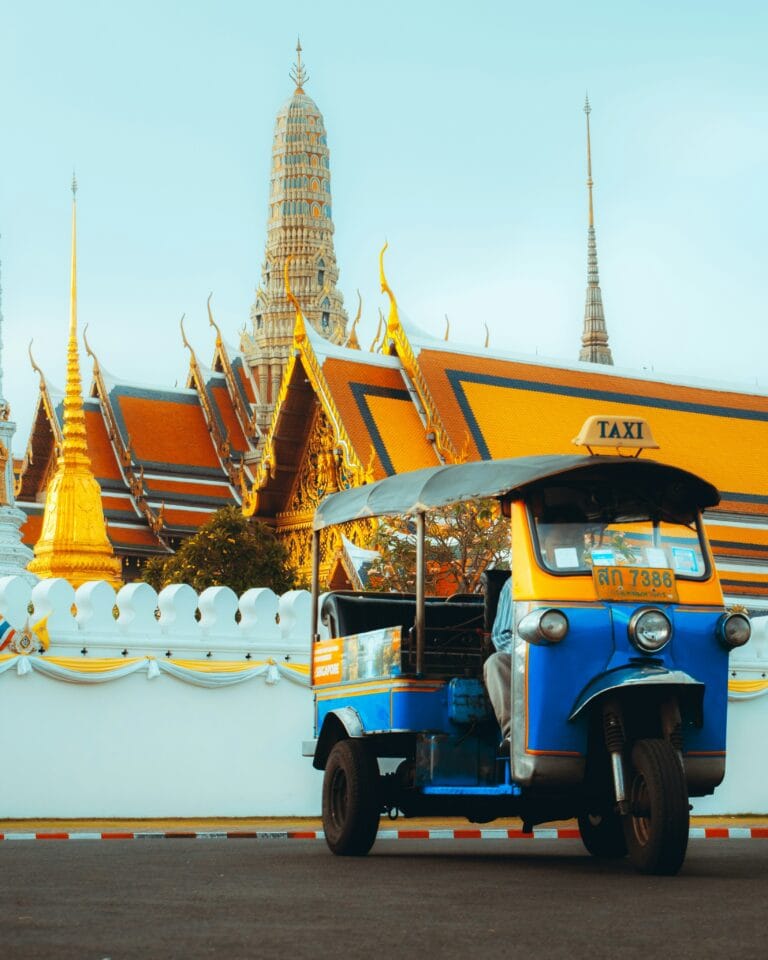
There are several ways to get around Chiang Rai.Tuk-tuksareapopular and convenientoptionfor short distances, whilerenting a bike or motorcycle lets you explore the city at your own pace.
You can also usetaxi services through the Grab app. If you want to visit specific tourist attractions, you can join organized tours offered by local travel agencies or usescooters through the Maxim app.Another option is to walk, which is a good way to get around the city center, since many attractions are close to one another.
What is the best time of year to visit Chiang Rai?
The best time to visit Chiang Rai is between November and February, when the weather is cooler, drier, and more pleasant for exploring temples, mountains, and coffee shops nestled among coffee plantations. During these months, the mornings are often shrouded in light fog, and temperatures are much more comfortable than in other parts of Thailand.
The hottest season runs from March to May, while from June to October, the rains transform the northern landscapes into lush green scenes, with swollen rivers and mist-shrouded mountains. Although it is the rainy season, it is also one of the most beautiful times of year for those who enjoy more leisurely travels and nature at its most vibrant.
How do I get to Chiang Rai?
The fastest way to get there is to fly into Chiang Rai International Airport (CEI), which receives domestic flights from cities such as Bangkok and Chiang Mai. The flight from Bangkok takes approximately 1 to 1.5 hours. From the airport, downtown Chiang Rai is about 10 kilometers away and can be easily reached by taxi or private transportation.
From Bangkok, you can also take a night bus, a journey of about 13 hours and one of the most economical options. There is no direct train service between Bangkok and Chiang Rai.
If you're traveling from Chiang Mai, the bus is usually the most convenient option, with the trip taking 3 to 4 hours. It's also possible to take a private taxi between the two cities.
Desde el sur de Tailandia, ciudades como Phuket y Krabi cuentan con vuelos hacia Chiang Rai, generalmente con escala en Bangkok. Para más detalles sobre tu ruta de llegada a Chiang Rai, visita esta página.
What are the recommended areas to stay in?
In Chiang Rai, most travelers tend to stay in the city center, near the Night Bazaar, cafes, markets, and major temples. It’s the most convenient area for getting around on foot and finding restaurants, transportation, and local life.
It’s also common to stay near the Kok River, where there are quieter hotels and resorts surrounded by nature—ideal for those looking to relax and take a break from the hustle and bustle of city life.
For a more immersive experience in northern Thailand, some people prefer to stay on the outskirts of Chiang Rai, surrounded by mountains, coffee plantations, and small rural villages that are closely connected to nature and the local communities.
What local dishes are worth trying?
In Chiang Rai, it’s well worth exploring the cuisine of northern Thailand, known for its bold flavors, aromatic herbs, and traditional recipes influenced by Lanna culture. One of the most famous dishes is Khao Soi, a creamy curry with noodles and spices, served with crispy noodles on top.
Other highlights include Sai Ua, a traditional northern sausage made with herbs and chili; Nam Prik Ong, a tomato and pork sauce typically served with fresh vegetables; and Khanom Jeen Nam Ngiao, a noodle soup with a spicy broth that is very popular in the region.
Much of Chiang Rai’s culinary experience takes place at night markets and small family-run restaurants, where northern cuisine still retains a home-style, deeply local character.
What are the most popular destinations among travelers?
The areas most popular with travelers in Chiang Rai are generally concentrated around the city center, especially near the Night Bazaar and the Clock Tower, where you’ll find markets, cafes, restaurants, and accommodations to suit every budget.
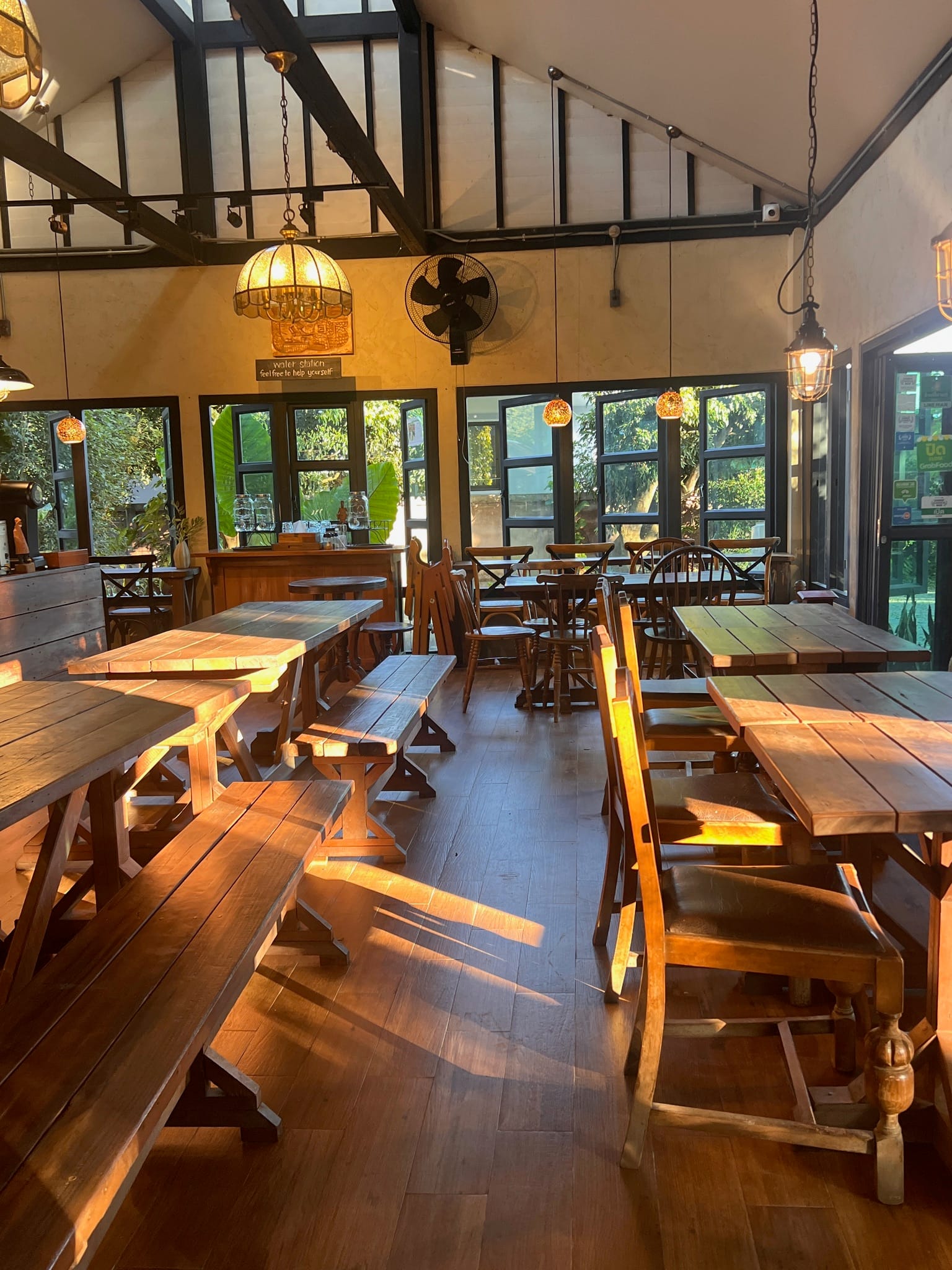
Also worth noting are the areas around Wat Rong Khun, the famous White Temple, and the Kok River area, known for its tranquil hotels and scenic views. In recent years, several cafes and creative spaces on the outskirts of the city have also become very popular among travelers seeking a more relaxed experience that connects them with the landscape of northern Thailand.