
General Information
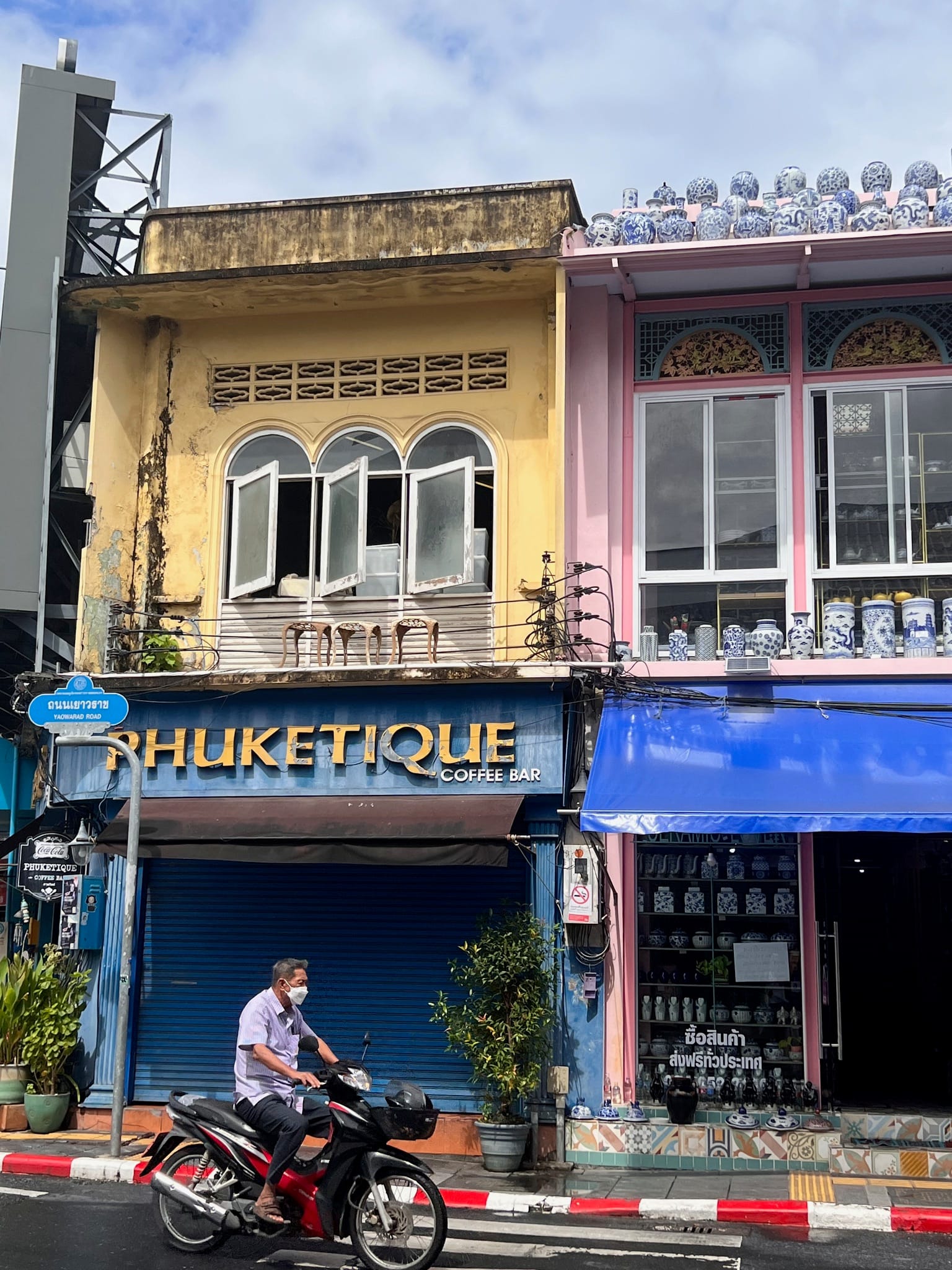
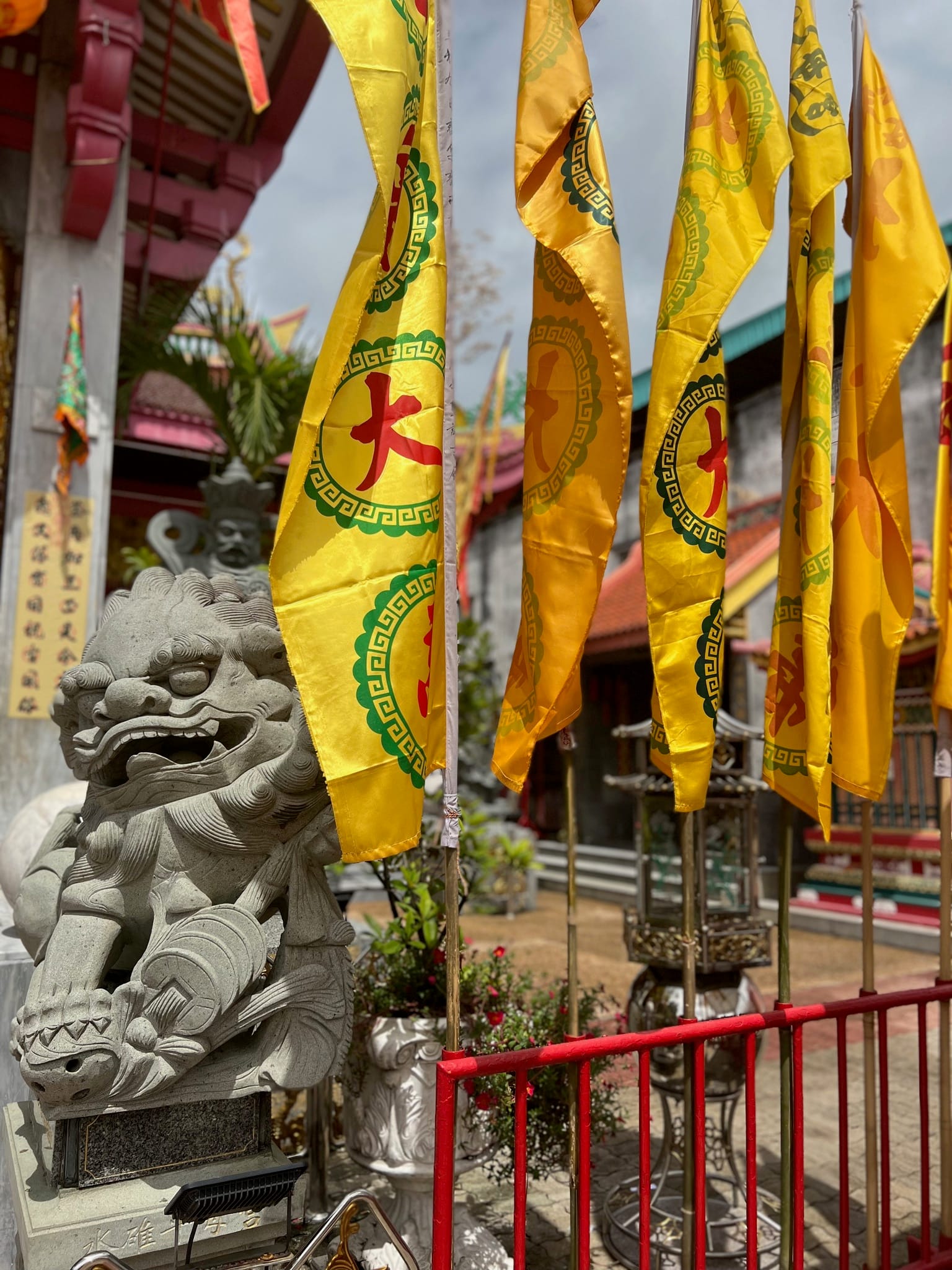
Phuket, Thailand’s largest island, has for centuries been a crossroads of maritime routes, cultures, and traders crossing the Andaman Sea. Known as the “Pearl of the Andaman,” Phuket blends Chinese, Malay, and Portuguese influences that can still be felt in its architecture, cuisine, and the atmosphere of its old town, where Sino-Portuguese facades stand alongside cafés, markets, and small temples.
Beyond the city, beaches such as Kata, Karon, Ya Nui, and Kamala offer a variety of island landscapes, featuring white sands, tropical hills, and turquoise waters.
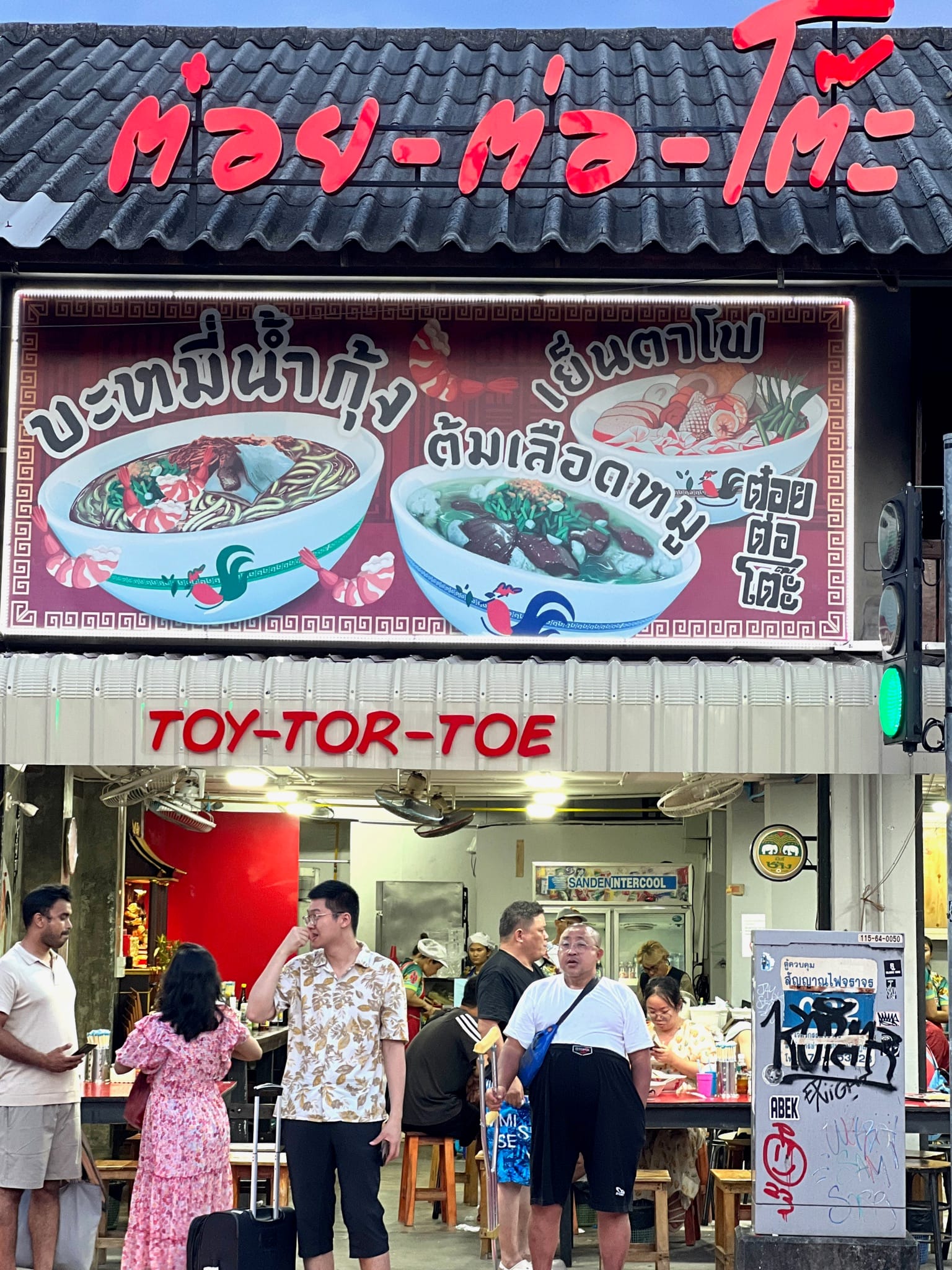
The local cuisine, characterized by fresh seafood and the bold flavors of southern Thailand, is also an essential part of the experience. At the same time, Phuket has begun to promote initiatives focused on conserving its ecosystems and protecting its cultural heritage in the face of growing tourism.
Population
Area in km²
Recommended experiences in Phuket
Discover more things to do in this city soon.

Read more on the Viajera en Tailandia's blog
Stories that spring from the roads we travel, from the people who live along them, and from what happens when you decide to travel more slowly.
FAQ
Frequently Asked Questions and Other Information About This City
How many days should I spend in Phuket?
The recommended number of days to spend in Phuket may vary depending on your preferences and the time you have available. However, you should plan to stay at least 4 to 5 days to visit the old town, the beaches, and take day trips to nearby islands.
How to get around Phuket?
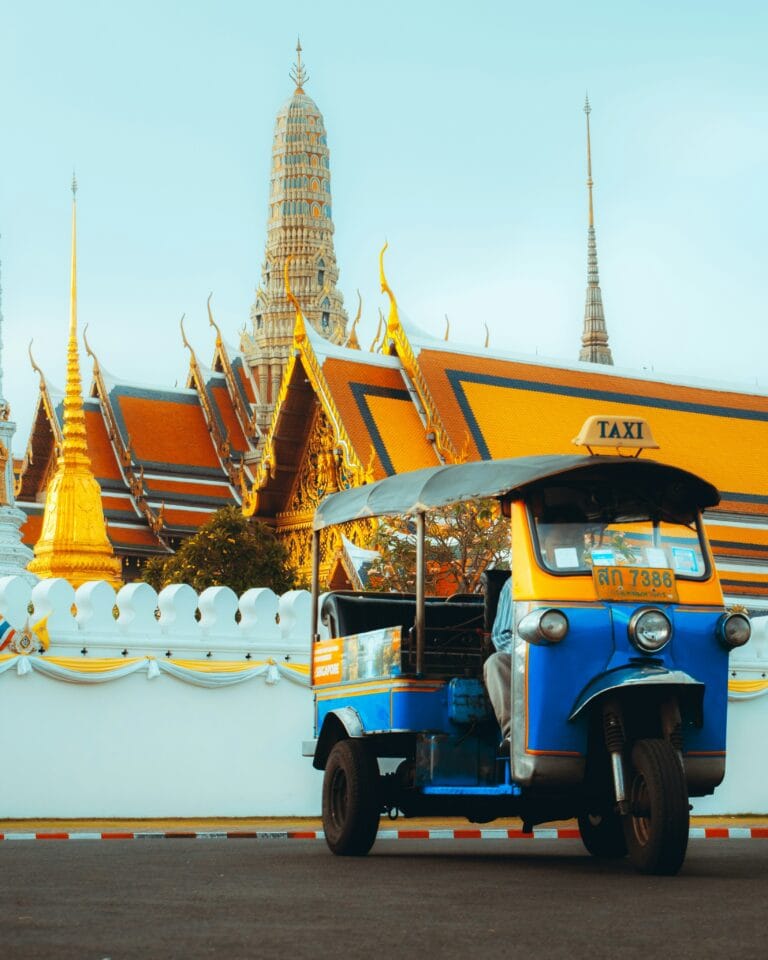
In Phuket, you have several transportation options for getting around the island. You can rent a private vehicle, such as a car or a motorcycle, take a taxi or a tuk-tuk, use the public bus system, or join organized excursions and tours.
Phuket's smart bus runs from north to south across the island, traveling from Phuket International Airport to Rawai Beach. It takes longer than taxis or tuk-tuks, but it's an inexpensive and convenient way to get around bybus.
What is the best time of year to visit Phuket?
The best time to visit Phuket is usually between November and April, when the weather is drier, the sea is calmer, and the days are sunnier. During these months, the beaches and boat tours offer the best conditions, especially for exploring nearby islands or snorkeling.
Between November and February, temperatures are generally more pleasant, while March and April are warmer and sunnier months. From May to October is the rainy season, when the landscape is greener and there are fewer tourists, although some water activities may be affected by the waves and weather.
How do I get to Phuket?
Getting to Phuket is relatively easy thanks to its air and land connections to various cities in Thailand and Asia. The most common way is via Phuket International Airport, which receives domestic flights from Bangkok, Chiang Mai, and Krabi, as well as international flights from various countries in Asia and the Middle East.
It is also possible to reach the island by road from other parts of southern Thailand via bus or private transportation. From nearby destinations such as Krabi, Khao Lak, or Surat Thani, many travelers opt for shared vans or combined ferry services to continue their journey to the island.
What are the recommended areas to stay in?
The best areas to stay in Phuket depend on the kind of experience you're looking for. Kata and Karon are usually favorites among those who want nice beaches, restaurants, and a more balanced and relaxed atmosphere. Kamala offers a quieter atmosphere, ideal for relaxing by the sea.
For those looking for more action, nightlife, and entertainment, Patong is where much of the island’s tourist activity is concentrated. On the other hand, Phuket Old Town attracts travelers interested in cafes, architecture, and a more cultural and local experience. In the north of the island, areas like Mai Khao and Nai Yang offer a quieter stay in closer contact with nature.
What local dishes are worth trying?
In Phuket, it’s worth exploring a cuisine influenced by southern Thailand, China, and Malaysia. Among the most iconic dishes are mee hokkien—stir-fried noodles that are very popular on the island—as well as massaman curry and various southern curries made with coconut milk and bold spices.
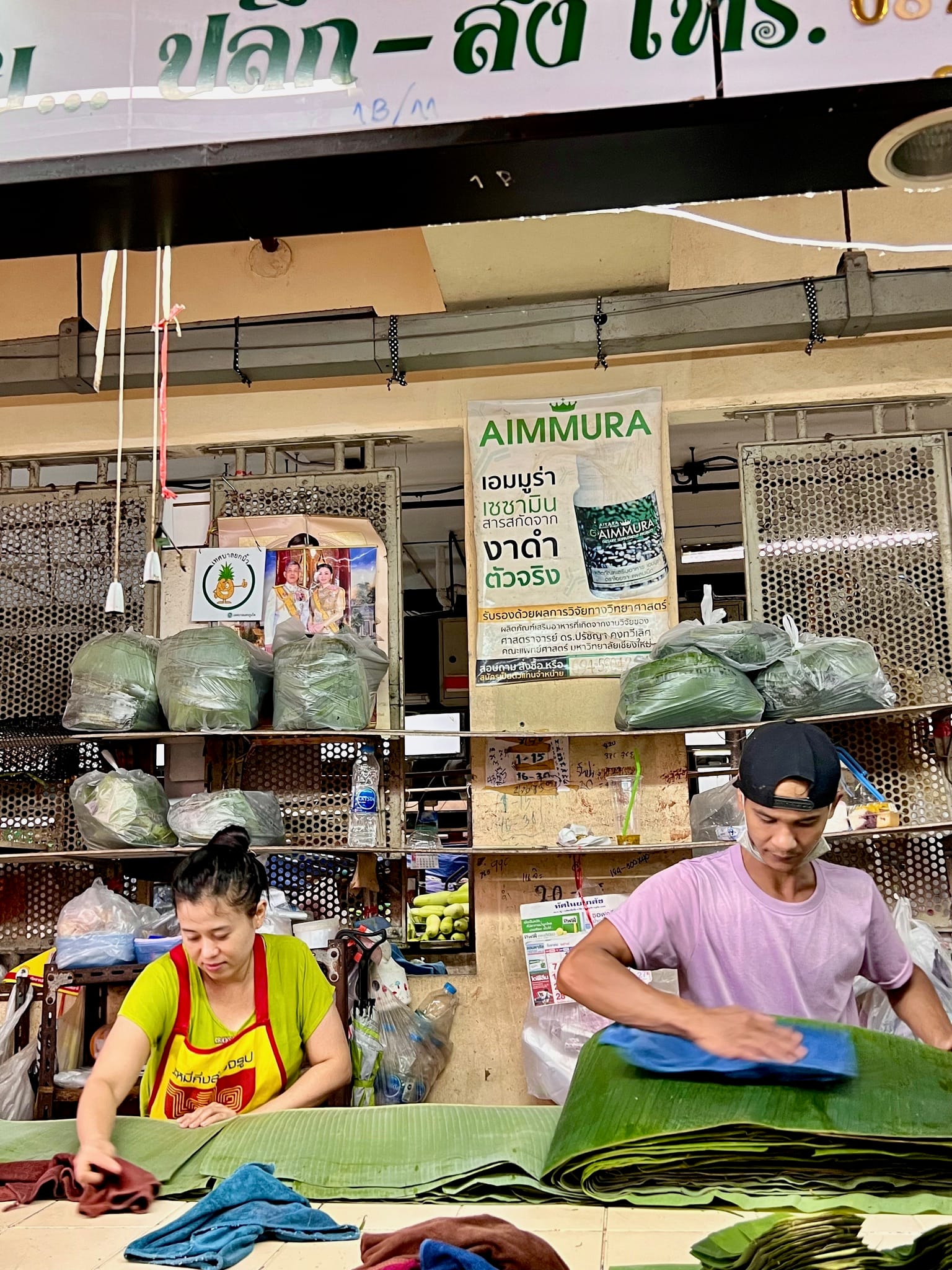
Fresh seafood, grilled fish, and local dishes such as moo hong—a slow-cooked pork stew in the Sino-Thai style—are also common. At night markets and small restaurants, it’s easy to find tropical fruits, Thai roti, and traditional desserts like mango sticky rice.
What are the most popular destinations among travelers?
The areas most popular with travelers in Phuket are typically Patong, Kata, Karon, and Phuket Old Town. While Patong is the hub of nightlife and tourist activity, Kata and Karon offer more laid-back beaches. Phuket Old Town is known for its Sino-Portuguese architecture, cafes, and local markets.
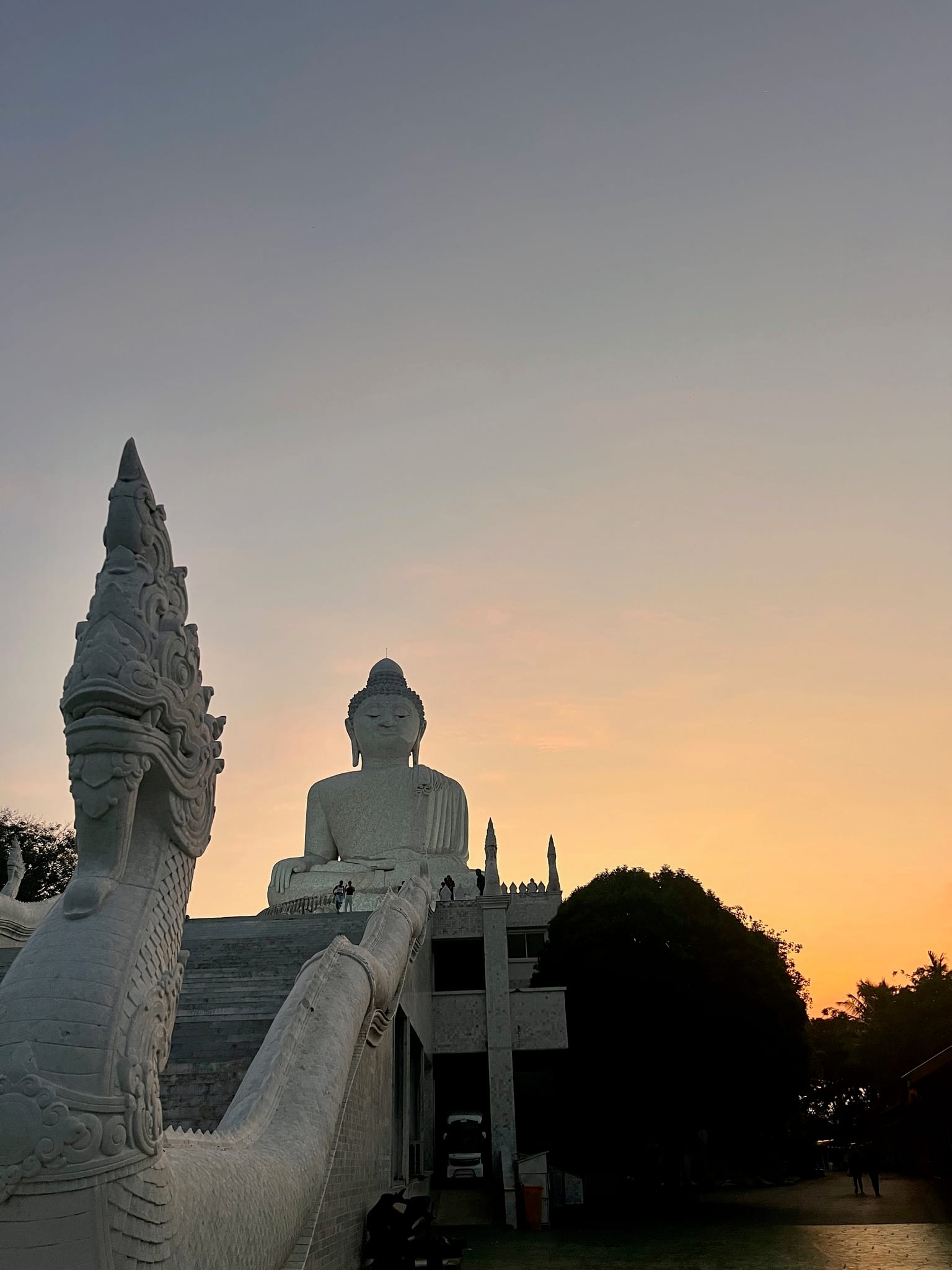
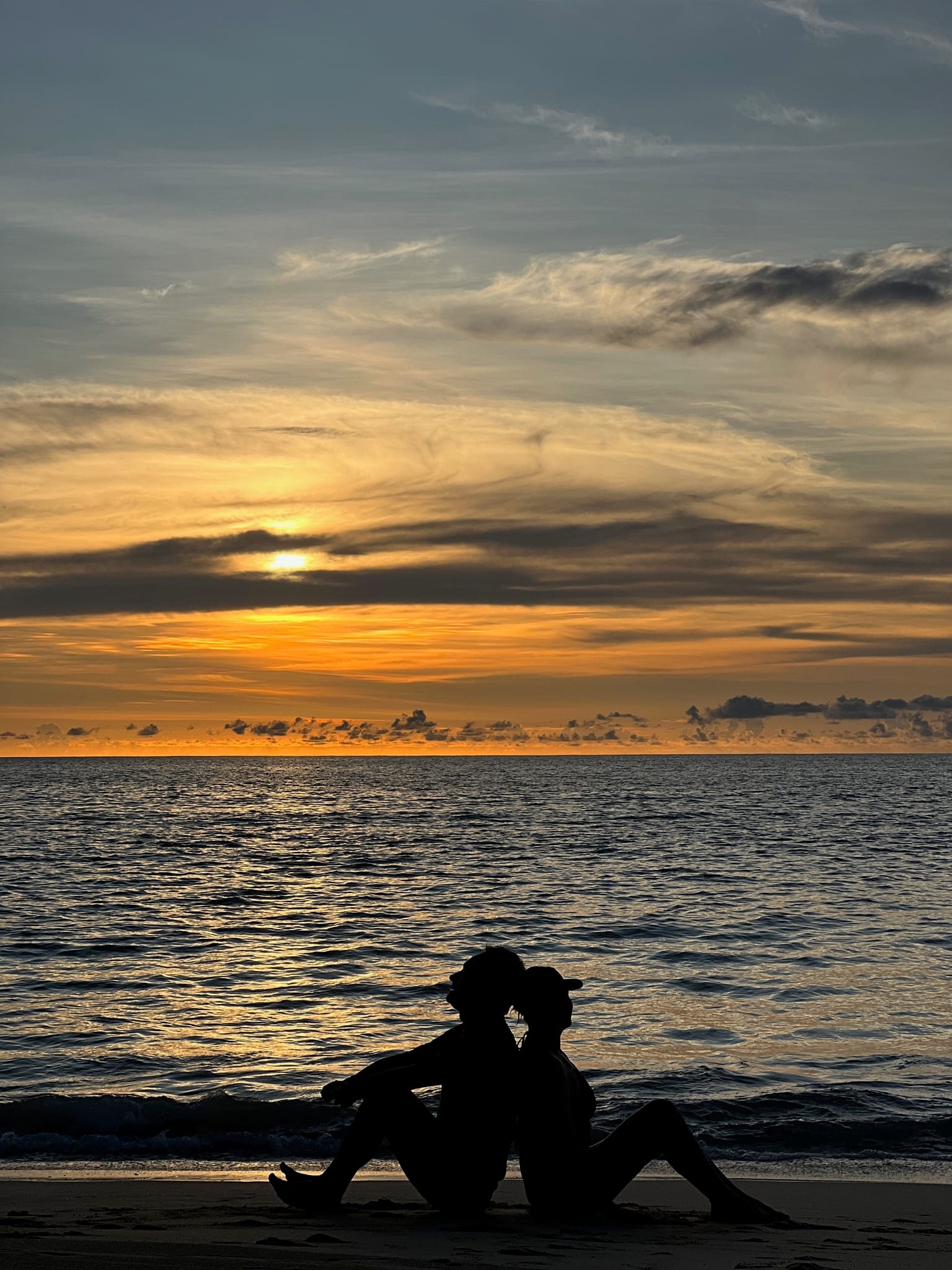
Other popular attractions include the Big Buddha, which offers panoramic views of the island, and Promthep Promontory, famous for its sunsets over the Andaman Sea. Phuket is also one of the main departure points for excursions to the Phi Phi Islands, Phang Nga Bay, James Bond Island, Koh Yao, and the Similan Islands.