Ubicada en el corazón del sudeste asiático, Tailandia es un destino turístico de ensueño, conocido por su rica cultura, playas paradisíacas, y una naturaleza increíble. Sin embargo, detrás de la belleza se esconde una problemática: el turismo masivo en Tailandia.
A medida que la nación se ha convertido en un imán para las viajeras de todo el mundo, ha tenido que enfrentar una serie de desafíos ambientales y sociales. En este artículo, te mostraré los efectos que el turismo masivo ha tenido sobre Tailandia y cómo las iniciativas de turismo o viajes sostenibles aportan a reducir impactos y más allá de eso, se trata de dejar los lugares mejor de lo que los encontramos.
También te puede interesar leer: Descubre las razones para hacer viajes sostenibles.
Turismo masivo y sus impactos
Tailandia, con su rica mezcla de paisajes naturales, ha atraído a millones de turistas cada año. No obstante, el turismo masivo ha desencadenado una serie de problemas que deben ser vistos en detalle y que requieren de acciones tanto del gobierno y el sector turístico como de las viajeras.
Uno de los problemas más urgentes es, sin duda, la sobrecarga ambiental, los últimos años el turismo masivo ha ejercido una presión significativa sobre los ecosistemas naturales de Tailandia, incluyendo playas, selvas y áreas marinas. La construcción de infraestructuras junto a los hoteles, restaurantes y actividades turísticas ha llevado a la degradación de ecosistemas marinos y costeros, bosques y selvas, montañas. Donde la sobreexplotación de recursos ha causado daños ambientales irreversibles.
El aumento del turismo ha llevado a un aumento en la generación de residuos, especialmente en zonas turísticas costeras. La gestión deficiente de los desechos puede tener graves consecuencias para el medio ambiente y la salud pública de las poblaciones. De hecho, en 2019, el turismo generó más de 12 millones de toneladas de residuos, con un 60 % compuesto por plásticos.
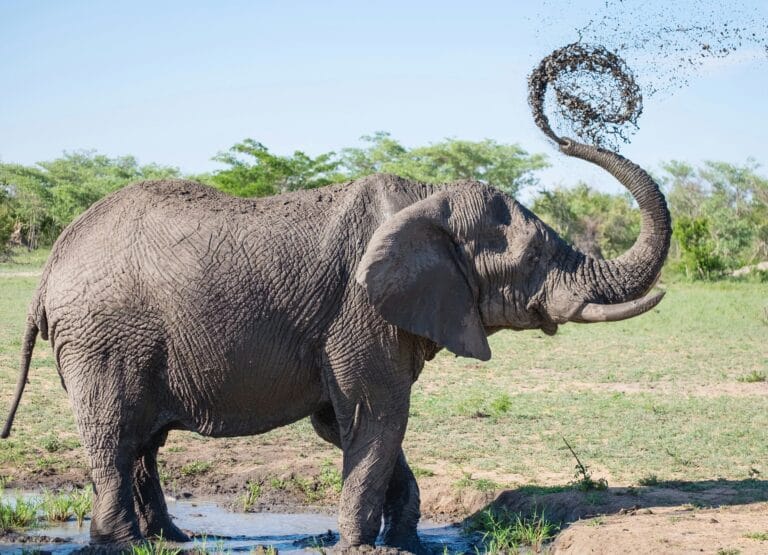
Además, la interacción no regulada con la fauna y la flora en lugares que se han vuelto populares en los circuitos turísticos ha tenido efectos negativos en la biodiversidad, relacionado con la perturbación de la vida silvestre y amenaza de la supervivencia de las especies vulnerables. Uno de los animales más amenazados han sido los elefantes y tigres porque “se han convertido en atracciones turísticas”.
Por otra parte, la sobrecarga de servicios públicos ha empañado la experiencia del turismo en Tailandia. El país recibió 39 millones de turistas en 2019, lo que ejerció una enorme presión en los sistemas de agua, energía y transporte. Además, el turismo masivo ha influido en la cultura local, desplazando las tradiciones autóctonas y en algunos casos, provocando la gentrificación de áreas turísticas.
El compromiso por los viajes sostenibles
A pesar de estos desafíos, organizaciones, operadores turísticos, activistas y viajeras han hecho grandes esfuerzos por visibilizar el lado oscuro del turismo masivo y tomar medidas que contrarresten los problemas ambientales y sociales, además de crear iniciativas que eduquen e informen.
Una respuesta clave ha sido la promoción de viajes sostenibles, bajo un enfoque más responsable del turismo en Tailandia. Esto implica medidas como las siguientes:
- Gestión adecuada de residuos.
- Promoción de prácticas turísticas sostenibles.
- Regulación del manejo de las áreas naturales y la interacción con fauna y flora.
- Regulación del desarrollo turístico que delimite las zonas aptas para construir, la delimitación del número de visitantes a lugares específicos que busquen aliviar la presión sobre los ecosistemas.
- Participación activa de las comunidades locales y su beneficio real dentro de las actividades turísticas.
- Educación a las viajeras y información disponible para tomar decisiones responsables al viajar por el país.
La sostenibilidad debe ser un esfuerzo colectivo y una prioridad para garantizar que Tailandia continúe disfrutando de los beneficios del turismo sin comprometer su patrimonio cultural y natural a largo plazo.
Este enfoque no solo busca salvaguardar el entorno, sino también involucrar a las comunidades locales en el desarrollo turístico.

Turismo sostenible en acción
El compromiso con los viajes sostenibles de muchas personas, actores, organizaciones y emprendimientos, como Viajera en Tailandia; no solo está minimizando los efectos negativos del turismo masivo, sino que también está aportando a las economías locales y al entorno para dejar el lugar mejor de lo que lo encontramos cuando llegamos.
Ejemplos como contratar agencias locales, comprar souvenirs hecho a mano por las comunidades, informarse del lugar antes de visitarlo, tomar decisiones de consumo responsable, reducir la generación de residuos, apoyar experiencias con sentido que aporten a las viajeras y a las comunidades, realmente hacen la diferencia.
Sin duda, el turismo masivo en Tailandia ha desencadenado desafíos considerables, desde la contaminación hasta la degradación ambiental y cultural. Sin embargo, el compromiso hacia el viajes sostenibles está marcando un cambio significativo.
Es así como Viajera en Tailandia puede acompañar a otras mujeres a vivir Tailandia de manera responsable y memorable. ¿Quieres hacer un viaje sostenible por Tailandia? Visita mis páginas de Instagram o Facebook, para viajar por el país y vivir experiencias únicas que te aporten a ti pero también a Tailandia.