
General Information
In Bangkok, the city unfolds in layers and contrasts: skyscrapers towering over old wooden houses along the river; street food stalls rubbing shoulders with fine-dining restaurants and eateries from all corners of the world.
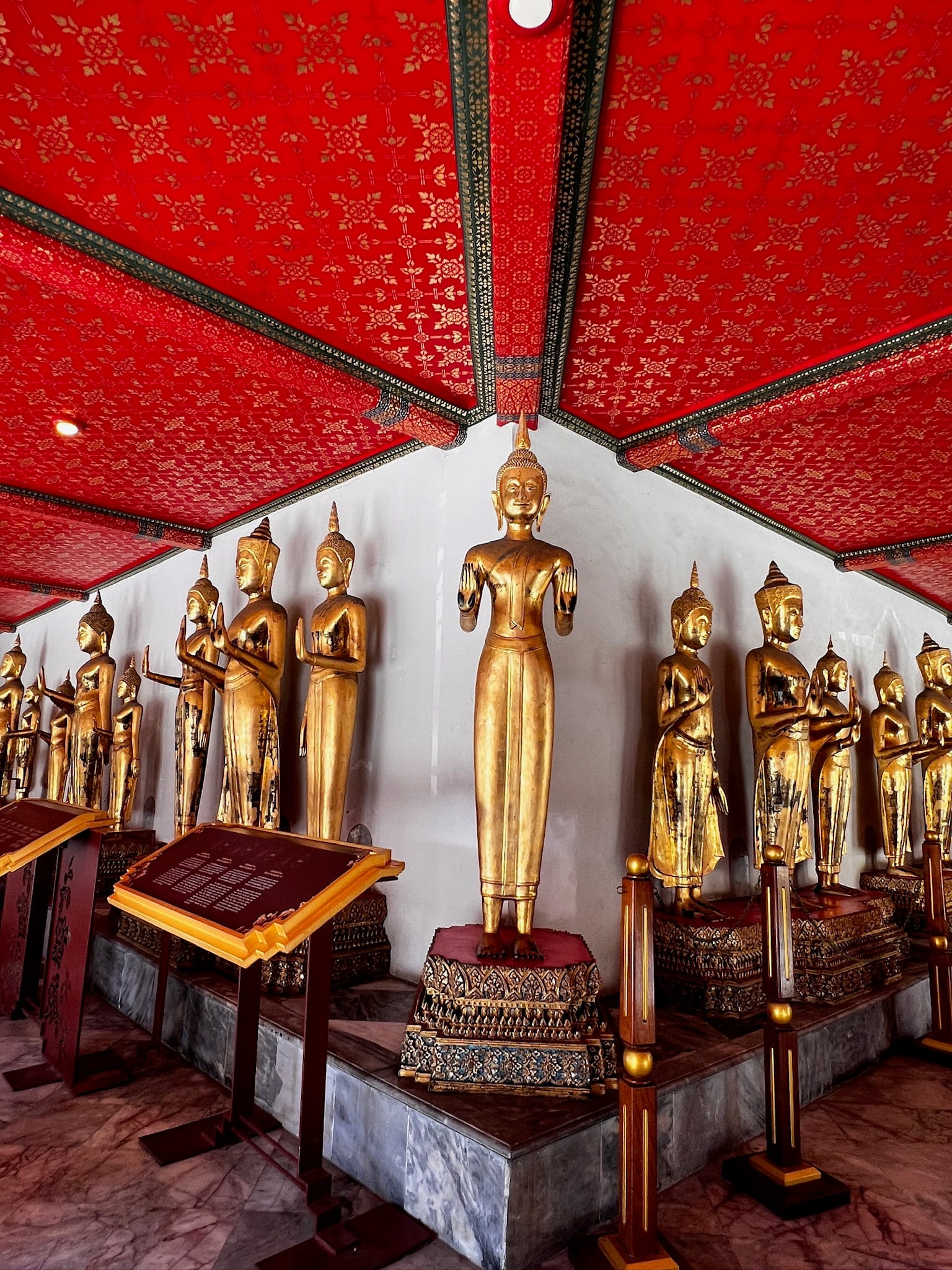
More than 400 Buddhist temples stand side by side with Catholic churches and mosques, while contemporary galleries, artisan workshops, and markets that never seem to sleep turn every neighborhood into a little world of its own.
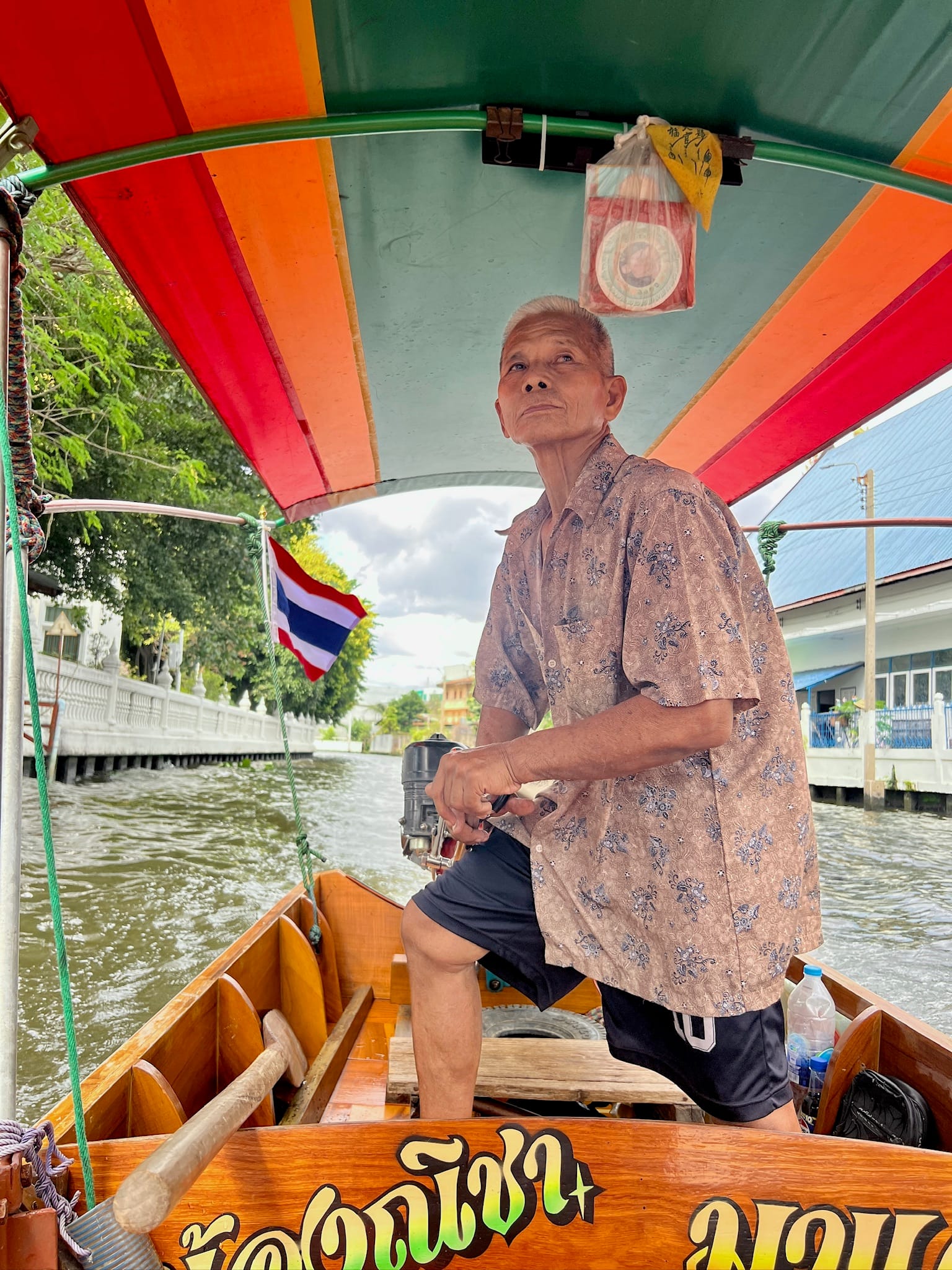
At the heart of it all flows the Chao Phraya River, the lifeline that has shaped the history, commerce, and daily life of the Thai capital. Its waters wind through the old quarter, skirt some of the country’s most important temples, and connect communities that still live in tune with the river’s rhythm.
Bangkok can be understood from many perspectives, but few reveal as much of its essence as cruising down the Chao Phraya River and watching the city continue to grow all around you.
Population
Area in km²
Recommended things to do in Bangkok
Discover more things to do in this city soon.

Read more on the Viajera en Tailandia's blog
Stories that spring from the roads we travel, from the people who live along them, and from what happens when you decide to travel more slowly.
FAQ
Frequently Asked Questions and Other Information About This City
How many days should I spend in Bangkok?
It’s a must-see destination if you’re traveling to Thailand. How long you spend exploring the city will depend on your interests and what you want to see. However, for a first visit,I recommend spending at least three daysto see the must-see sights, enjoyculinary experiences, stroll through local markets, take in the city views from above, and much more.
How do you get around in Bangkok?
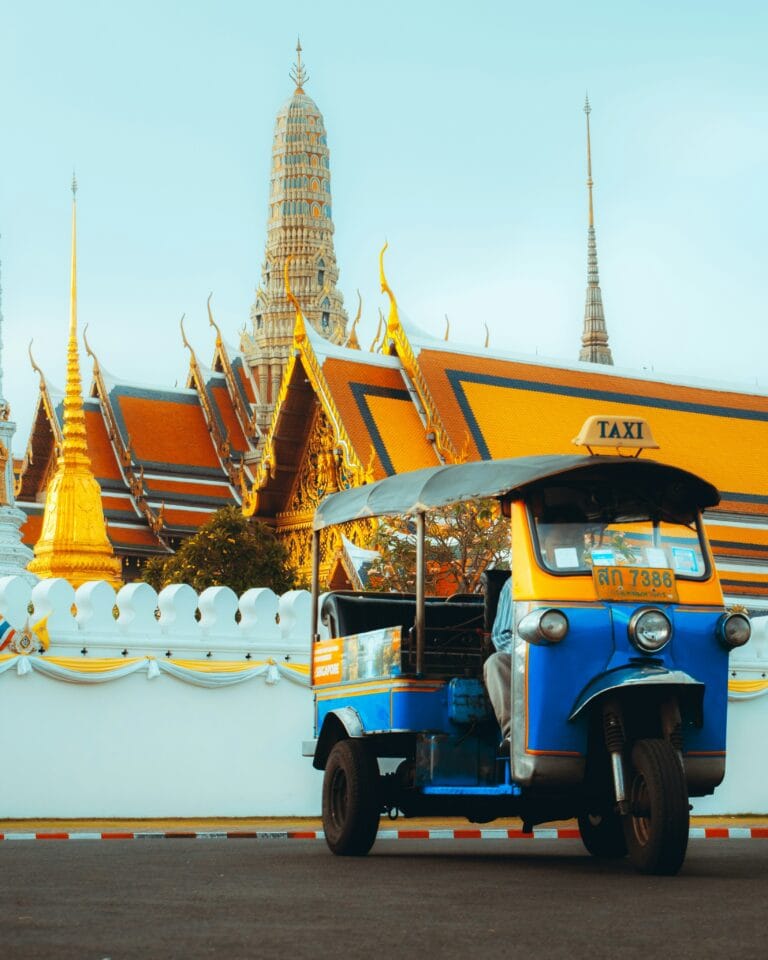
The city is notorious for its long commute times, due to traffic and its size. However, there are numerous public transportation options that connect the city and are convenient for both locals and travelers, such asthe subway and elevated rail, buses, tuk-tuks, taxis, motorcycles, ferries, long-tail boats, and canal boats.
What about rush hour?
Traffic in Bangkok is heaviest between 7 a.m. and 9 a.m. and 5:30 p.m. and 8 p.m. During these hours, it’s best to avoid major roads; instead, use secondary roads, allow plenty of time to reach your destination, or avoid traveling during these hours.
What is the best time of year to visit Bangkok?
The best time to visit Bangkok is usually between November and February, when the weather is cooler, drier, and more pleasant for walking around the city. Temperatures drop slightly, the humidity becomes more bearable, and the sunsets over the Chao Phraya River have a golden light that looks like it was designed by a cinematographer obsessed with tropical heat.
How do I get to Bangkok?
The main gateway to Thailand is Bangkok, which is home to the country’s two busiest international airports:
Suvarnabhumi International Airport (BKK)
This is the city’s main airport and handles most international flights, as well as domestic routes. It is known for its efficient organization and quick boarding process, though it is recommended to arrive well in advance due to its size and high passenger volume. It is located about 30 km from downtown Bangkok and is easily accessible by taxi, the Airport Rail Link, public buses, or private transportation.
Don Mueang International Airport (DMK)
This is the capital’s secondary airport. It handles some international flights, but primarily serves domestic routes and low-cost carriers. It is located about 25 km north of Bangkok and is connected to the city by taxi, train, public buses, or private transportation.
Other cities in Thailand also have international airports, although they offer fewer flights and fewer routes.
What are the recommended areas to stay in?
Bangkok has very different areas, so the best place to stay will depend on the type of trip you're looking for. Some common areas are:
- Sukhumvit: the most convenient and well-connected area, perfect for a first visit. It has restaurants, cafes, shopping malls, and easy access to public transportation.
- Riverside: perfect for a more peaceful and scenic experience, close to temples and the Chao Phraya River.
- Silom and Sathorn: modern, urban areas with a lively nightlife and an excellent location.
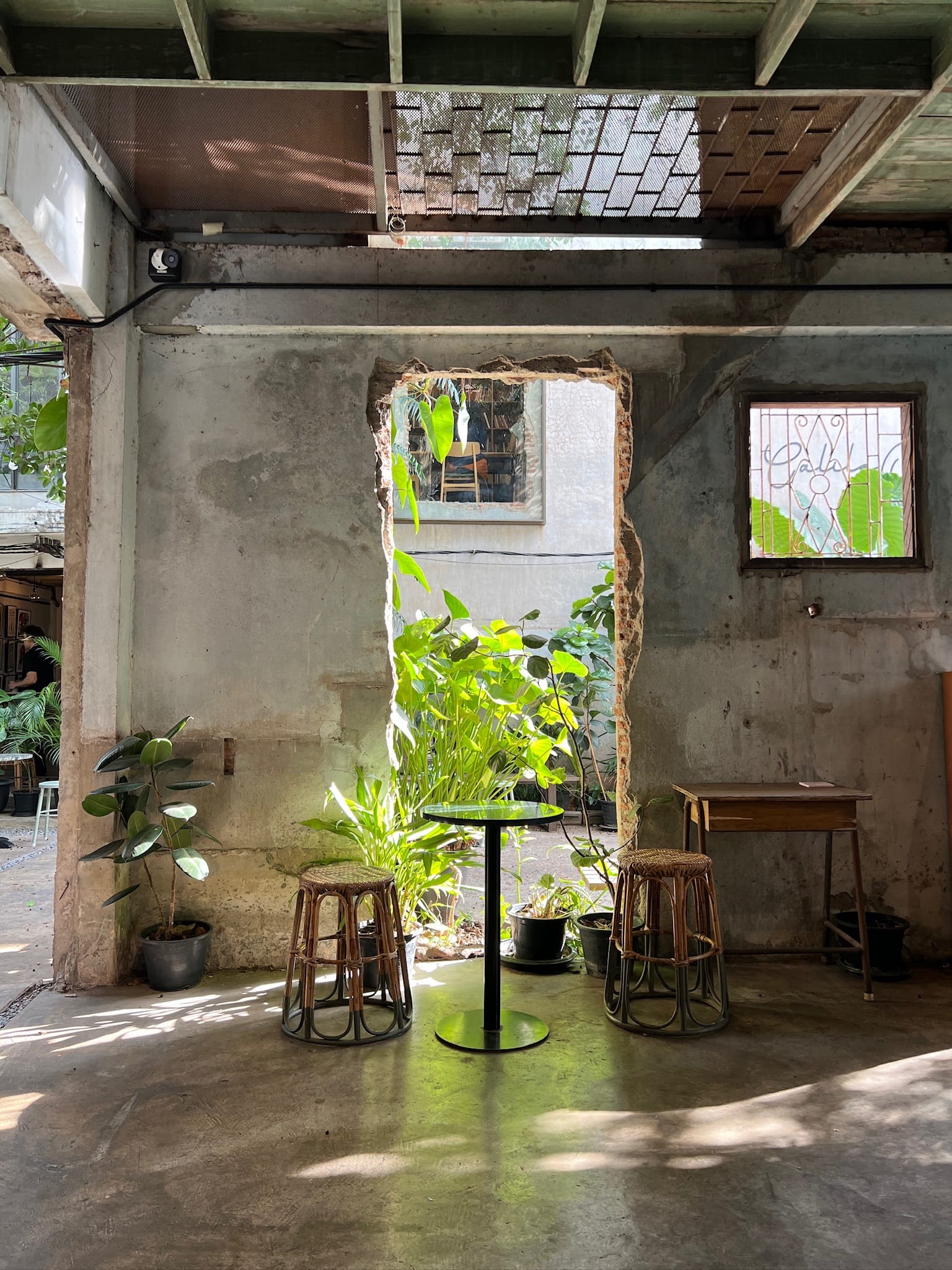
- Ari: a more creative and laid-back neighborhood, full of coffee shops and local hangouts.
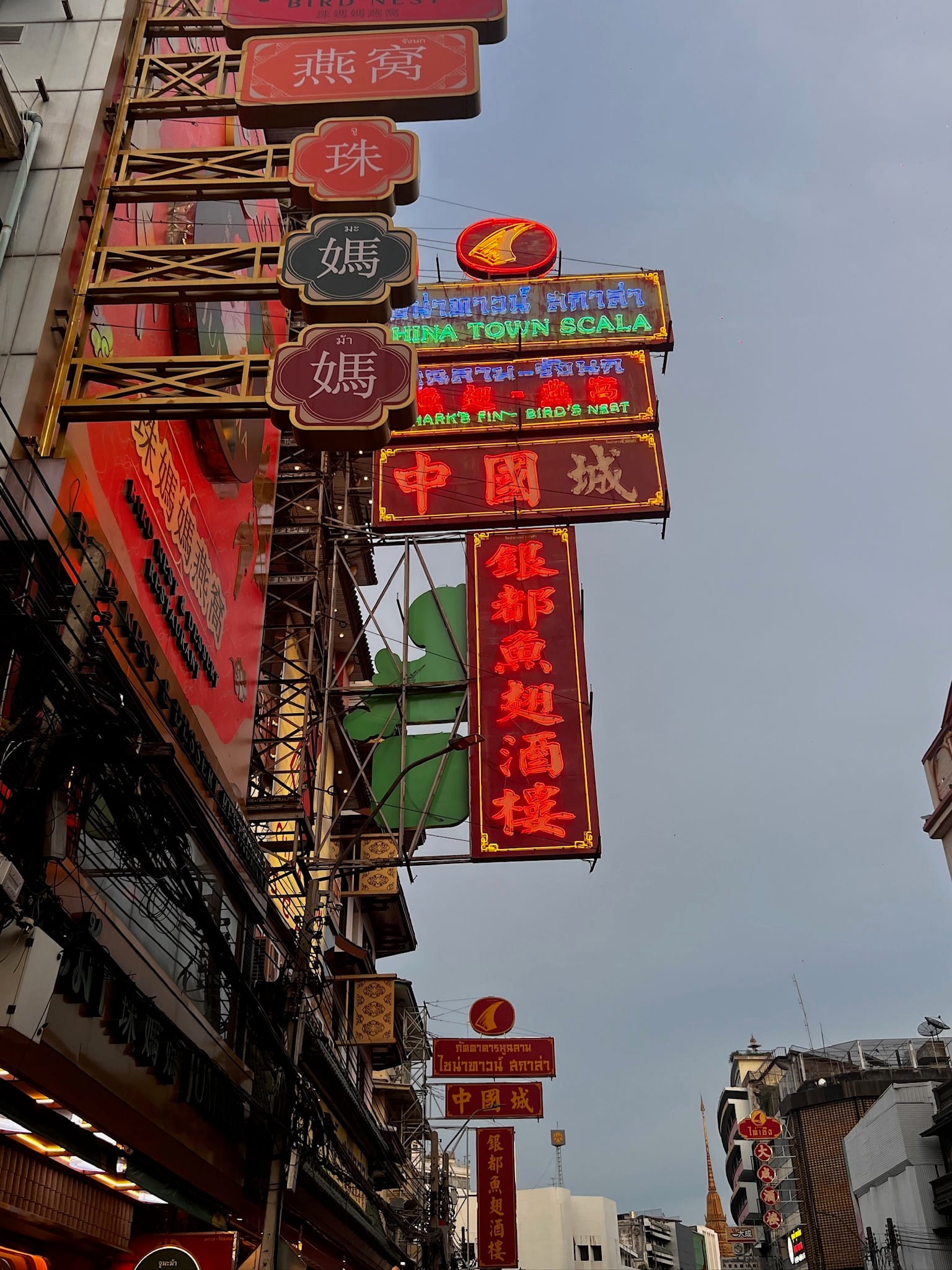
- Chinatown (Yaowarat): perfect for those who want to immerse themselves in Bangkok’s street food and chaotic energy.
- Khao San Road: popular among backpackers and young travelers for its hostels and nightlife.
For first-time visitors to Bangkok, Sukhumvit and Riverside are usually the most recommended options.
What local dishes are worth trying?
In Bangkok it’s worth trying classics like Pad Thai, Thailand’s most famous stir-fried noodles; Tom Yum Goong, a spicy and aromatic shrimp soup; and Som Tam, a fresh green papaya salad with chili and lime. Also worth trying are Boat Noodles, small spicy soups that are very popular in the city, and Mango Sticky Rice, the traditional dessert made with glutinous rice, coconut milk, and ripe mango.
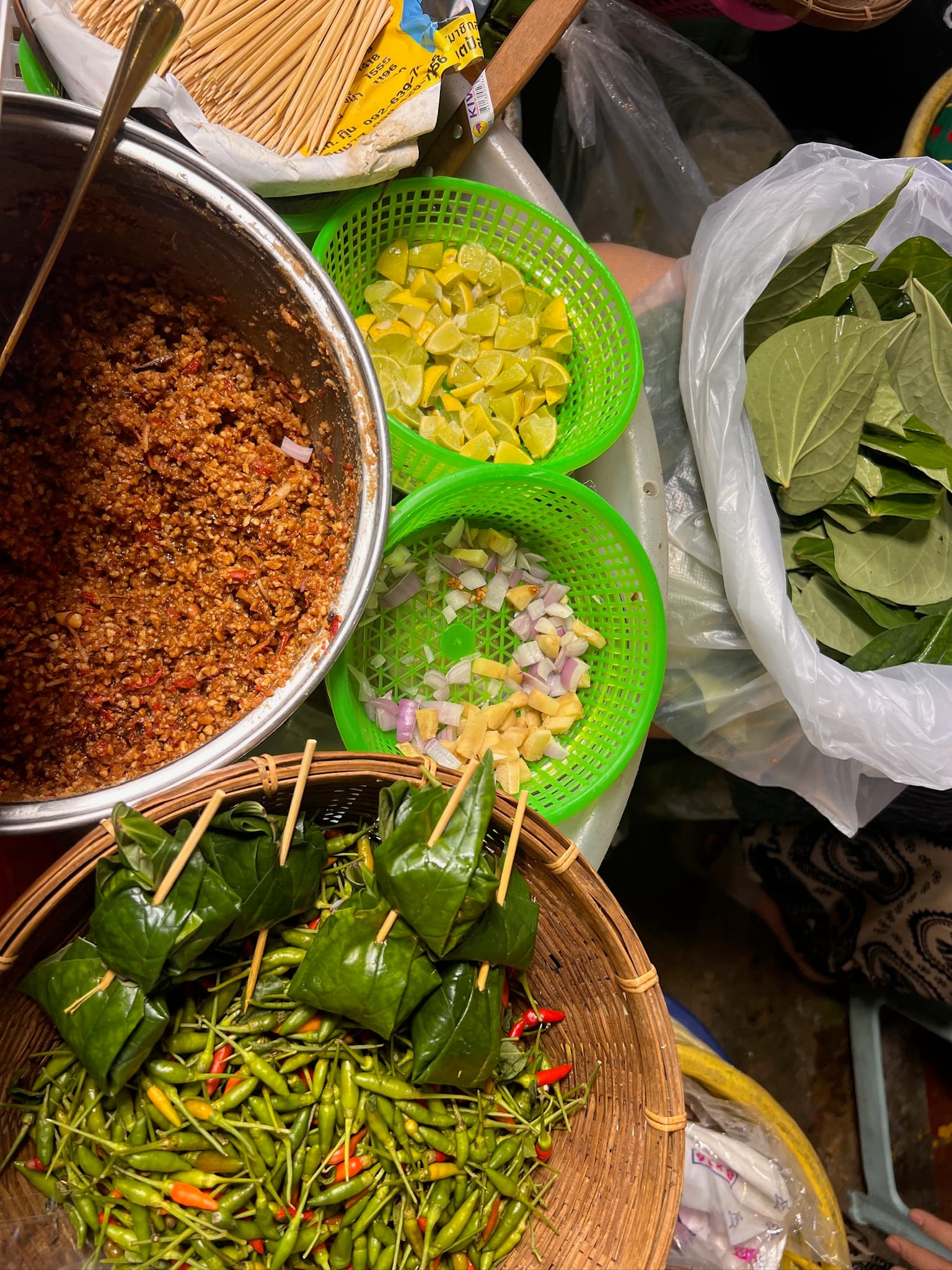
Much of Bangkok's culinary experience takes place in markets and street stalls, where you can often find the city's most memorable flavors.
What are the most popular destinations among travelers?
The areas most frequently visited by travelers in Bangkok are typically Sukhumvit, known for its transportation links, hotels, cafes, and nightlife; Chinatown (Yaowarat), famous for its street food and bustling atmosphere; and Khao San Road, popular among backpackers and young travelers.
Other notable areas include Riverside, located along the Chao Phraya River and close to the main historic temples, and Ari, a more creative and laid-back neighborhood that has become very popular among travelers seeking a more local and contemporary experience of Bangkok.