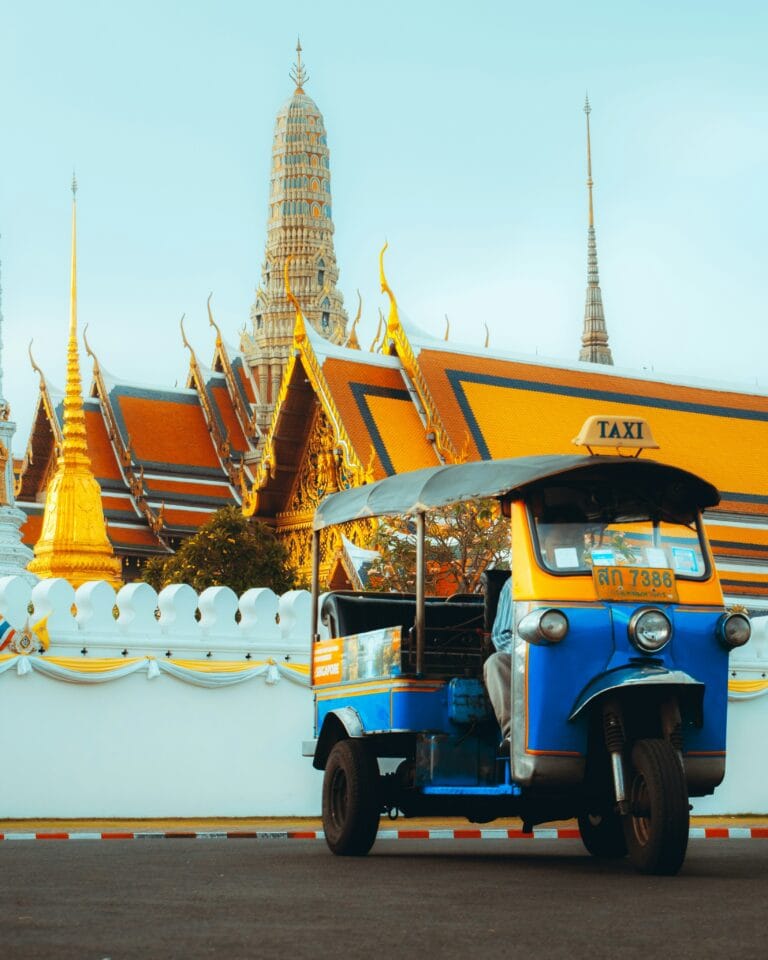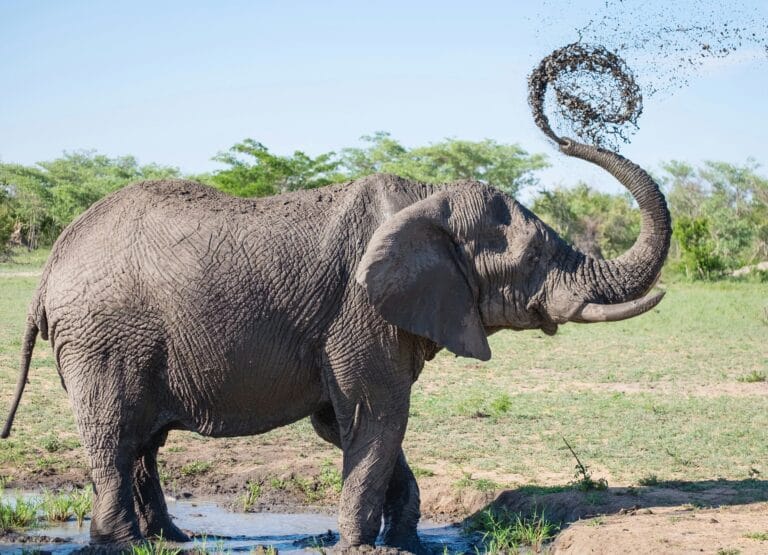
The elephant is one of Thailand's most recognizable symbols. However, behind that image lies a much more complex story involving forests, indigenous communities, economic changes, and new ways of understanding tourism.
Meeting an elephant shouldn't just be another activity on a Thailand itinerary. It can also be an opportunity to understand the relationships that have existed for generations between people, animals, and the ecosystems they share.
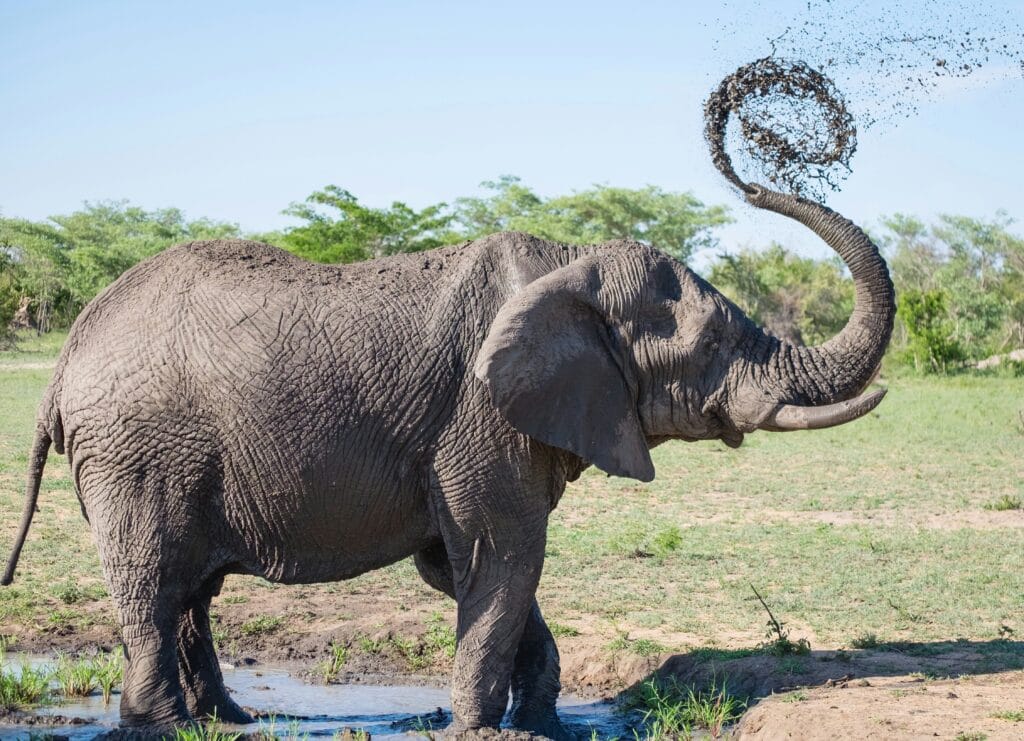
The Asian elephant: the silent giant of the forests
The first encounter with an Asian elephant usually leaves a lasting impression. Despite its enormous size, it moves with great calm and agility. Unlike other mammals, the elephant seems to move through the forest unhurriedly, as if it knows every path it takes.
The Asian elephant is one of Asia's most iconic species. It can grow up to three meters tall and weigh several metric tons. Furthermore, they are highly social animals that live in family groups led by adult females; here, the young learn by observing older generations, and collective care is essential.
They also possess an extraordinary memory. They remember migration routes, water sources, and feeding grounds for years. They communicate over long distances, solve complex problems, and form lasting bonds within their groups. More than just intelligent animals, they are deeply social creatures.
The Forest: A Shared Home
For centuries, Asian elephants inhabited vast regions stretching from India to Southeast Asia. Today, that territory has shrunk considerably due to agricultural expansion, forest fragmentation, and urban growth. The construction of roads, plantations, and infrastructure has transformed much of their natural habitat and disrupted the routes that elephants have used for generations to travel in search of water and food.
Currently, the Asian elephant is classified as an endangered species, and habitat loss remains one of the main threats to its survival. As forests shrink and become fragmented, the likelihood of encounters and conflicts between people and elephants also increases—a reality that is becoming increasingly common in various regions of Asia.
However, protecting elephants is not just about protecting a species. It also means protecting the ecosystems that sustain their lives.
As they travel long distances, they disperse seeds, clear natural paths, and contribute to forest regeneration by directly influencing the forest’s composition and structure. Their presence promotes ecological diversity and helps maintain healthy ecosystems. For this reason, they are often considered a keystone species: when elephants thrive, the forest is also more likely to thrive.
The Karen People and Elephants: A Relationship Forged Over Generations
The mountains and forests of northern Thailand are home to Karen communities, one of the region’s largest ethnic groups. For generations, they have developed ways of life closely tied to the land, accumulating knowledge about forest cycles, plants, animals, and the sustainable management of natural resources.
In some Karen communities, elephants have been part of daily life for decades—not as a tourist attraction or merely as working animals, but as companions.
From this relationship emerge the“mahouts,” the people responsible for caring for the elephants. More than just a trainer or guide, their traditional role has been to build a relationship based on trust, observation, and a deep understanding of the animal’s behavior.
This situation began to change in the late 1980s, when Thailand banned much of its commercial logging. Many families who depended on this activity had to find new ways to make a living, and elephant tourism became an economic alternative.
Today, many communities face the challenge of balancing the well-being of elephants, forest conservation, and the sustainability of their livelihoods. For this reason, the relationship between the Karen people and elephants cannot be understood solely through the lens of conservation or tourism. It is a story of coexistence that continues to evolve.
Beyond the Encounter: A Regenerative Perspective on Elephants
From a regenerative perspective, an experience with elephants does not focus on direct interaction with the animal, but rather on understanding the relationships that enable their well-being. The well-being of elephants depends on the health of the forest, and forest conservation is closely linked to the communities that inhabit and care for it.
If this article has sparked your curiosity to learn more about Asian elephants during your trip to Thailand, we invite you to discover the experiences we offer on our platform.
We work with hosts who offer a different way to connect with these animals: through observation, learning, and interaction with the habitats where they live. These experiences allow visitors to appreciate elephants in a more natural setting, gain a better understanding of their behavior, and learn the stories of the people who have lived alongside them for generations.
Explore the elephant experiences available on our platform and discover new ways to connect with one of Asia's most iconic animals.