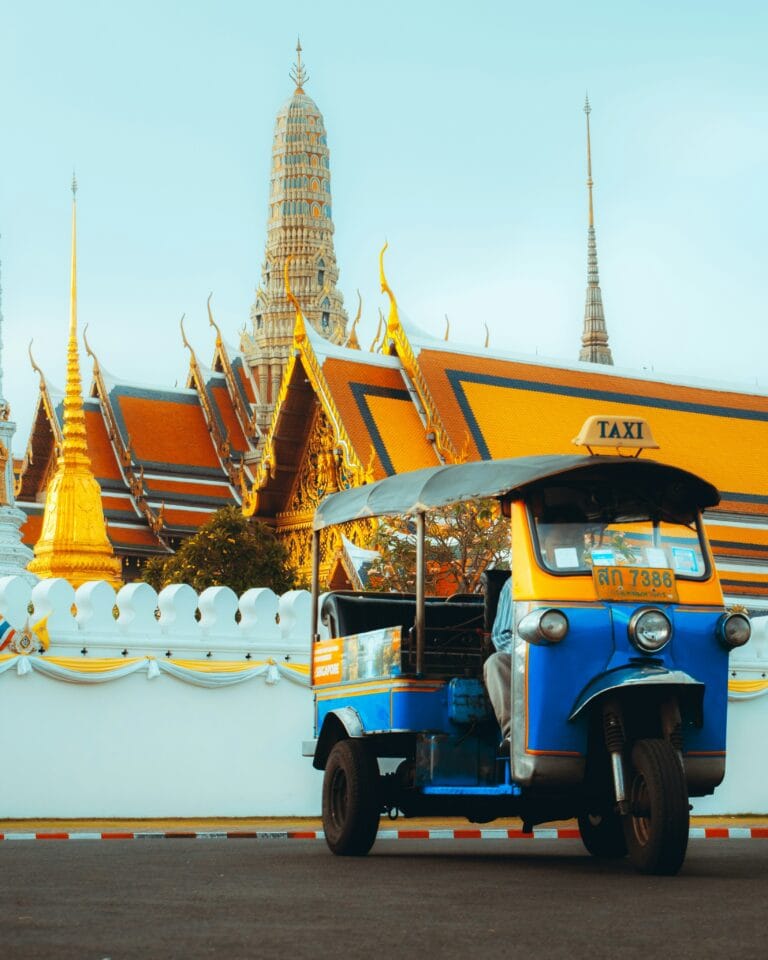
There is a silent contradiction in the way we travel today: the more connected we are to images of the world, the harder it is to truly experience places.
Today, it’s possible to arrive at a destination after having seen it hundreds of times before: social media, tourism campaigns, travel blogs, and algorithms have turned entire regions into recognizable, easy-to-consume visual narratives. Before we even land, we already know what to look at, what to photograph, and how to feel about certain experiences.
Tourism doesn't just move people. It also shapes perceptions. And those perceptions end up shaping both travelers' expectations and the way many places come to be portrayed to the world.
Travel thus ceases to be a spontaneous experience and becomes a gateway to a system of images and narratives that shapes our perspective.

The place doesn't disappear, but it does become partially visible
The problem isn't that tourist images are fake, but that isolated fragments end up functioning as a whole. A beach, a temple, or a night market may be real, but when those scenes are repeated millions of times, they end up defining a destination.
In Thailand, for example, the international tourism narrative has cemented certain visual identities: the spirituality of Buddhist temples and monks, backpacker culture, excess tourism, wellness, and street food. At the same time, it often leaves out other aspects of the country: rural areas, urban inequality, ecological transformation, and social tensions.
Tourism, then, functions as a system of cultural selection. Some aspects become visible because they are appealing or profitable; others disappear because they disrupt the desired narrative. Over time, many regions learn which versions of themselves are most valued by outside observers. Tourism economies promote certain aesthetics and simplify complex narratives to make them more digestible for visitors.
This is not about condemning these dynamics. Communities also make strategic decisions within a system that rewards certain images. But it’s worth asking: What happens when a destination needs to become recognizable in order to continue being visited? At that point, tourism ceases to be merely an economic activity and begins to influence the cultural construction of the place.
Tourism brings people together, but it also creates divisions
Tourism can lead to transformative encounters and broaden perspectives. But much of today's tourism industry is designed to minimize friction, complexity, and discomfort.
Many trips are structured around carefully designed itineraries that allow visitors to experience a simplified version of the region without becoming too deeply involved with its contradictions.
That’s why it’s possible to spend weeks in a country without really understanding how daily life works outside of tourist areas. We even felt like we’d had a “profound” experience when we were simply following a narrative designed for visitors.
Tourism thus serves as a gateway, but also as a filter. Not because of any conspiracy, but because every industry needs to simplify complexity to make it marketable and appealing to its customers: spirituality, adventure, authenticity, or well-being.
The important question is not whether we can access the “reality” of a place (which is likely impossible), but rather how willing we are to acknowledge the complexity that exists beyond tourist routes and activities—and to choose how we approach the destination and how we engage with it more critically.
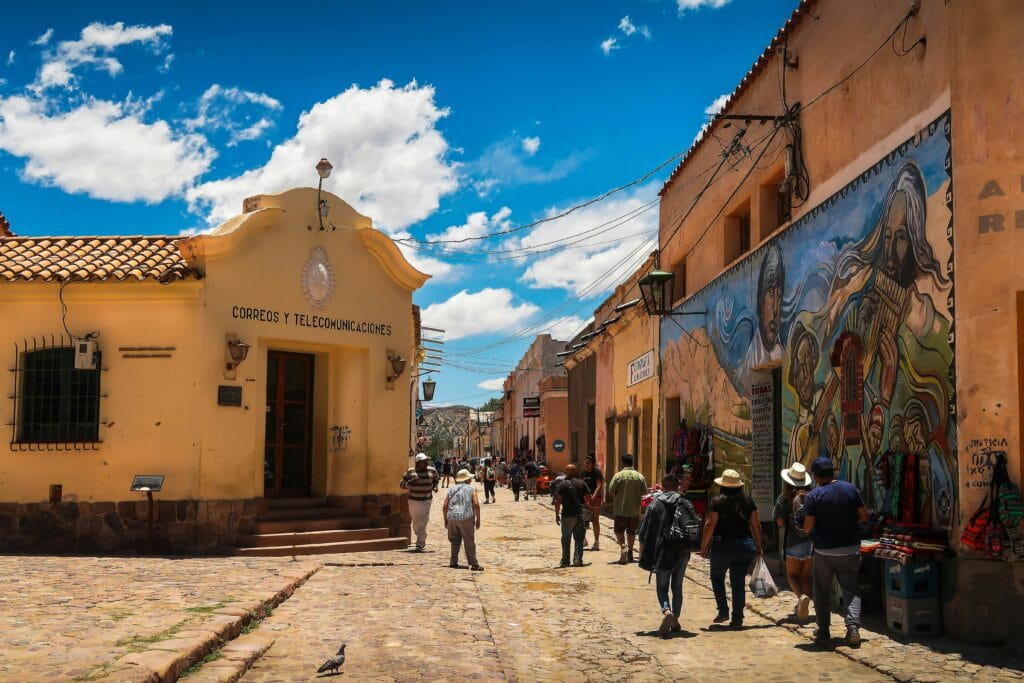
Perhaps there isn't just one "true face" of the place
There is another idea that tourism tends to reinforce: the notion that every country has an authentic essence just waiting to be discovered.
But territories are not static. There is no single “real” Thailand; there are multiple “Thailands” coexisting at the same time: rural and urban, spiritual and hyper-consumerist,
agricultural and digital, tourism-related and everyday. The idea of “authenticity” often functions more as a visitor’s expectation than as a concrete cultural reality.
The problem isn't that tourism completely distances us from reality. The problem is believing that a place can be reduced to a single, stable, and easily consumable version of itself.
Regeneration: Moving from Consumption to Connection
From a regenerative perspective, the question is no longer how to find “the true face” of a place. The question is how to build more honest relationships with it. Because the truest face of a place likely emerges through our relationships with the people who inhabit it, with their daily rhythms, and with the ecosystems that sustain life in the region.
Regeneration proposes precisely this shift in perspective: to stop viewing travel as a completed itinerary and start seeing it as a way to more mindful relationship with the place we visit.
Perhaps we will never be able to fully grasp the “true nature” of a place.
But the quality of our relationships with people, nature, and the place itself can bring us much closer to it than any idealized image of travel.